Charleston, SC's Trusted Local Realtors
Welcome to your one-stop spot for finding a great Charleston real estate agent! Whether you're buying your first home, selling your current one, or just curious about the Lowcountry market, we've got local pros ready to help.
Map of Businesses in Charleston
All Listings in Charleston
7 businesses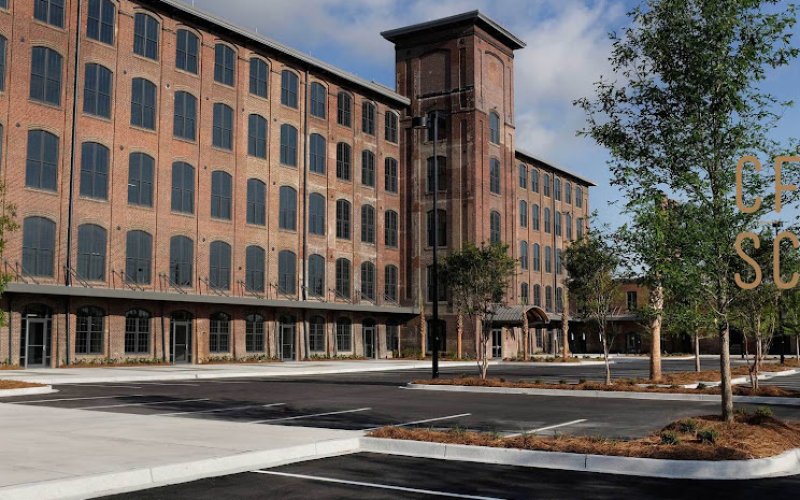
Smith Spencer Real Estate
Real estate agency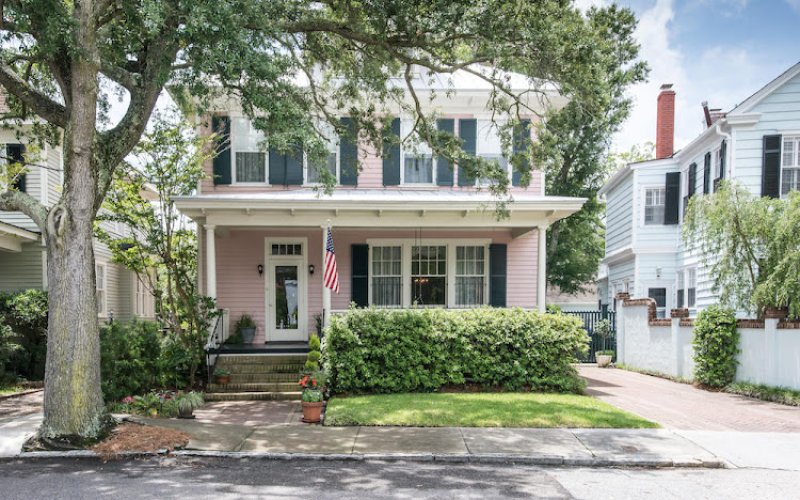
Charleston Empire Properties
Real estate agency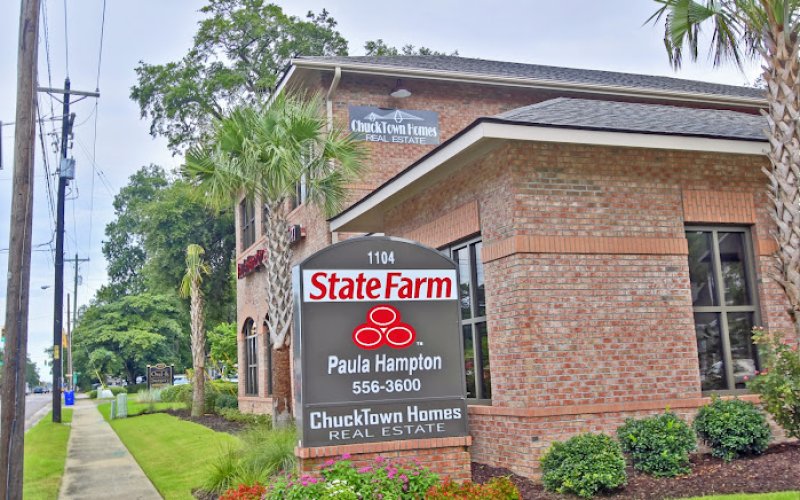
ChuckTown Homes Real Estate
Real estate agency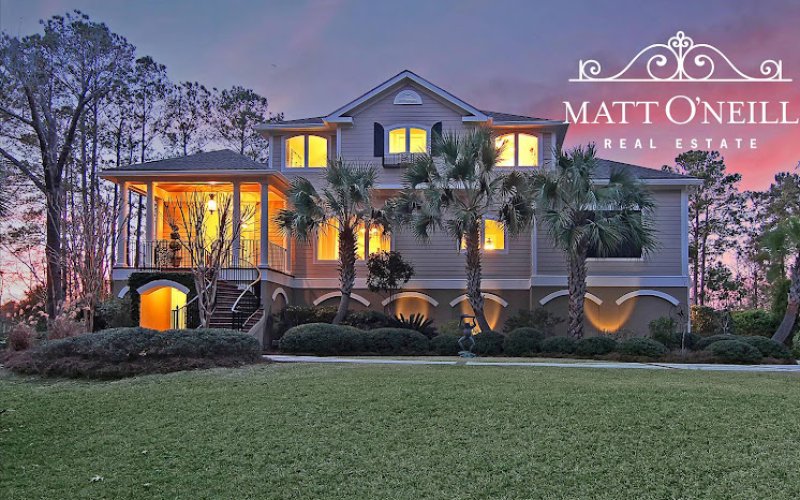
Matt O'Neill Real Estate
Real estate agency
Jeff Cook Real Estate | LPT Realty
Real estate agency
Carolina One Real Estate West Islands
Real estate agency
Three Real Estate
Real estate agencyAbout Realtors in Charleston
Here's a number that stopped me mid-coffee at Kudu last week: the average Charleston-area home sold for $498,000 in late 2024, but back in 2019 that figure sat at $315,000. That's not appreciation, that's a market that basically reinvented itself in five years. And the agents working this territory right now? They're navigating something fundamentally different than what old-timers built their careers on.
The Charleston metro—Charleston, Berkeley, and Dorchester counties combined—added roughly 15,000 new residents in 2023 alone, per Census estimates. That's people relocating from DC, Charlotte, NYC, bringing remote-work paychecks and completely different price expectations than someone who's lived here since the Cooper River Bridge was the old one. So you've got maybe 3,000+ licensed agents registered in the Charleston Trident MLS at any given time, but only a fraction of those close more than a handful of deals a year. The real market is dominated by a much smaller group who actually know which streets in West Ashley flood and which builders in Nexton cut corners.
Who's buying? It's a weird mix now. You've got military families rotating through Joint Base Charleston, retirees cashing out Northeast equity, Boeing and Volvo employees, and a growing chunk of investors buying short-term rental properties near Folly Beach or downtown. That last group alone has changed how agents price and market listings—priorities shifted toward rental projections, not just square footage. This isn't Columbia. This isn't Greenville. Charleston real estate carries a coastal premium and a historic-preservation complexity that trips up agents who haven't spent real time here.
Downtown / French Quarter & South of Broad
- Area Profile: Old money, historic preservation rules, median household income north of $110K. Lots of second-home owners.
- Realtors Activity: Historic single-house listings, strict BAR (Board of Architectural Review) compliance knowledge required. Agents here basically need a side degree in preservation law.
- Price Range: $1.2M to $4M+ for anything south of Broad Street. Even a fixer-upper runs $900K.
- Local Note: Flood zone disclosures are non-negotiable here—insurance costs have jumped 30-40% since 2021, and buyers need agents who'll actually walk them through FEMA maps instead of glossing over it.
West Ashley
- Area Profile: Middle-class families, younger buyers priced out of downtown, median income around $68K.
- Realtors Activity: Starter homes and renovated ranches move fast—often under 15 days on market.
- Price Range: $325K-$475K for most single-family listings.
- Local Note: Old-timers still call parts of this "the country," but Avondale's restaurant strip has pulled in a younger crowd, and agents who know that shift are pricing accordingly.
Mount Pleasant
- Area Profile: The suburb everyone moved to. Family-oriented, top-rated schools, median household income pushing $95K.
- Realtors Activity: New construction dominates—Carolina Park and Park West communities are basically factories for move-in-ready listings.
- Price Range: $550K-$900K typical, luxury waterfront pushing $2M+.
- Local Note: Traffic on Highway 17 has become a genuine selling-point conversation—agents who ignore commute times lose credibility fast.
North Charleston
- Area Profile: More industrial, more diverse, median income around $52K—still the affordability play.
- Realtors Activity: Investor activity is heavy here, especially near the Park Circle revitalization.
- Price Range: $220K-$350K, though Park Circle proper has climbed past $400K in the last two years.
- Local Note: This is where I've seen the fastest appreciation curve in the whole metro—up nearly 22% year-over-year in Park Circle specifically.
📊 Current Price Points:
- Budget options: $220,000-$350,000 (North Charleston, older West Ashley)
- Mid-range: $450,000-$700,000 (most popular segment, Mount Pleasant/James Island starter homes)
- Premium: $1,000,000+ (downtown historic, Kiawah/Seabrook, waterfront Mount Pleasant)
📈 Market Trends: Demand cooled slightly from the 2021-2022 frenzy—about 8% fewer transactions in 2024 versus 2022's peak, according to Charleston Trident Association of Realtors data. But inventory's still tight. Days-on-market averaged 42 days in late 2024, up from a laughably low 18 days in 2021. That's actually good news for buyers who felt steamrolled a few years back. Spring remains the frenzy season—March through June accounts for close to 40% of annual closings. Winter (December-January) is where you'll actually find negotiating room; sellers listing then tend to be motivated, not testing the market. Average time to close sits around 35-45 days for financed deals, faster for cash (which, by the way, made up nearly 28% of Charleston sales in 2024—way above the national average). 💰 What People Are Spending:
- Single-family homes, primary residence: average $512,000
- Condos/townhomes downtown or near Daniel Island: average $410,000
- Investment/rental properties: average $385,000
- New construction (Nexton, Carnes Crossroads): average $475,000
Charleston metro population grew roughly 2.1% in 2023—that's more than double the national average. Boeing's local campus, the Port of Charleston, MUSC, and a genuinely surprising tech scene (Blackbaud, Benefitfocus) keep high earners flowing in. Median household income for the metro sits around $72,000, a bit above South Carolina's statewide $63,000.
New development is everywhere if you're paying attention—Nexton in Summerville has basically become its own small city, and the WestEdge district near MUSC is turning old industrial land into mixed-use density downtown.
Local Market Dynamics:Demand isn't just from people who want to live here—there's a persistent flow of retirees and remote workers treating Charleston as a lifestyle purchase. Competition among agents is fierce; a handful of teams dominate the top-producer lists (you'll recognize names if you've driven past enough yard signs on Savannah Highway), but plenty of smaller boutique agencies survive by hyper-specializing in one neighborhood.
How This Affects Buyers/Customers:Practically, this means buyers need agents who specialize, not generalists. Someone great at Mount Pleasant new construction may have zero clue how to handle a historic downtown single-house purchase with easement issues. I've seen deals fall apart because an agent didn't understand flood insurance implications on James Island—cost the buyer three weeks and nearly the whole contract.
- ☀️ Spring/Summer: High demand, multiple offers common, prices peak. Tourist season overlaps, making showings trickier downtown.
- 🍂 Fall: Demand softens noticeably by October. Good window for negotiating, especially post-hurricane season anxiety fades.
- ❄️ Winter: Slowest months, but serious sellers only—less time-wasting, more room to negotiate 3-5% off asking.
- 📅 Peak months: March-May for competitive markets; November-January for deal-hunting.
Hurricane season (June-November) genuinely affects listing behavior—some sellers wait until it passes. Spoleto Festival in late May/early June brings visitors who sometimes fall in love and buy. Expect 30-45 days to close on average, longer if you're financing something in a flood zone requiring extra inspections.
Smart Timing Tips:- ✓ List or buy in January if you want less competition
- ✓ Avoid closing during peak hurricane season if possible—insurance binding gets complicated
- ✓ Get pre-approved before spring—inventory moves fast once March hits
- ✓ Ask agents about flood zone timelines upfront; it can add two weeks to closing
Every agent needs an active license through the South Carolina Real Estate Commission (SCREC)—verify it directly on their website, it takes two minutes. Membership in the Charleston Trident Association of Realtors (CTAR) signals someone plugged into local MLS data, not just a name badge. NAR designations like ABR or CRS aren't dealbreakers but show extra training.
Questions to Ask:How long have they actually worked Charleston specifically—not just "in real estate" but this exact market. Ask for three local references, ideally from the past year. And get fee structures in writing before you sign anything.
⚠️ Red Flags Specific to Charleston Realtors:
- Agents who downplay flood zone or insurance costs to close a deal faster
- "Pocket listings" pitched as exclusive access—often just unlisted properties avoiding proper marketing
- Pressure to waive inspection contingencies in competitive bidding situations
- Out-of-town referral agents who hand you off to someone with zero Charleston track record
SCREC maintains a public complaint database—use it. BBB Charleston has a handful of filed complaints against agencies worth reading in full, not just the star rating. And on Google/Yelp, watch for review patterns—five-star clusters posted within the same week often mean incentivized reviews, not organic feedback.
✓ Established presence in Charleston (not just passing through)
✓ Verifiable local reviews and references
✓ Transparent pricing, no hidden fees
✓ Clear process explained upfront
✓ Responsive communication
Check Reviews & Ratings
We recommend verifying businesses through trusted review platforms before making a decision.
Frequently Asked Questions
Popular Categories in Charleston
Explore Other Cities
🏡 Realtors near Charleston
Professional Categories in Charleston, SC
Related Services from Similar Professionals