Top-Rated Realtors Serving Corona, CA
Looking for a great real estate agent in Corona? You've come to the right place — browse our directory of local pros who actually know the area and can help you find (or sell) your next home.
Map of Businesses in Corona
All Listings in Corona
10 businesses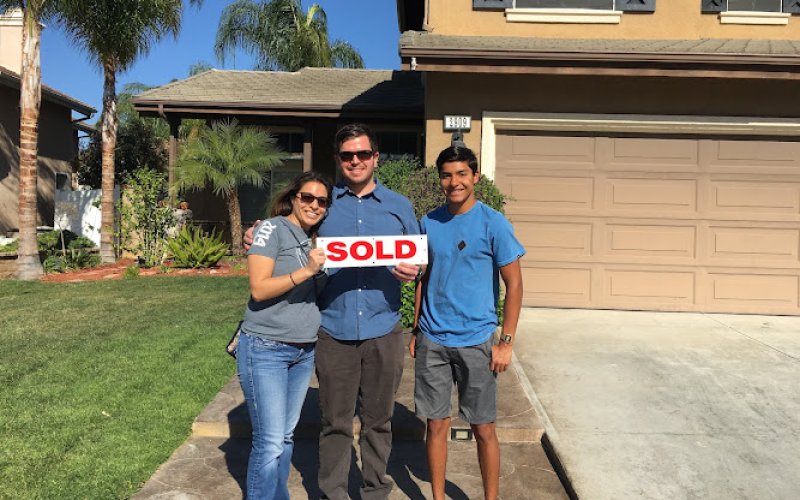
Charles Chacon Realty Group
Real estate agency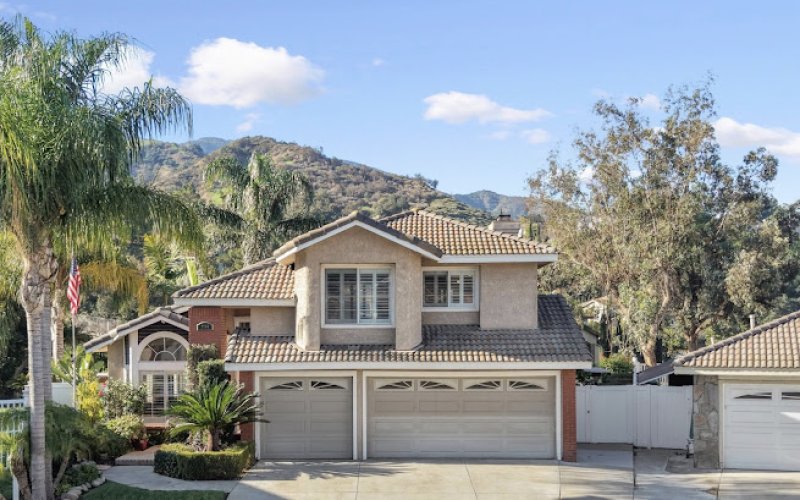
Kelly McLaren - Realtor
Real estate agency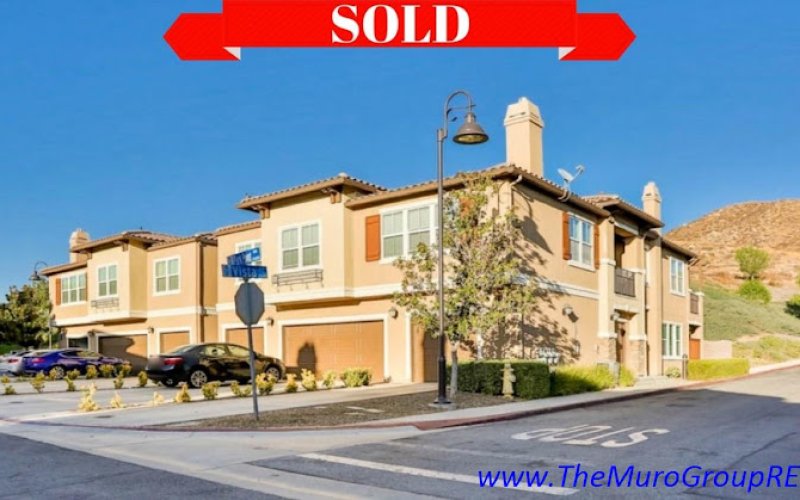
Ruben Muro - Keller Williams Realty Corona
Real estate agency
YES Realty
Real estate agent
Pinpoint Realtors
Real estate agency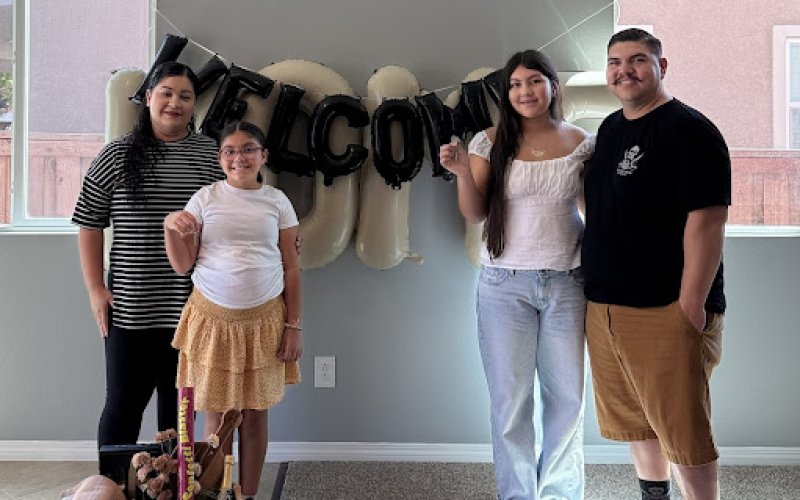
The Riverside Realtors Carlos Lupercio
Real estate agency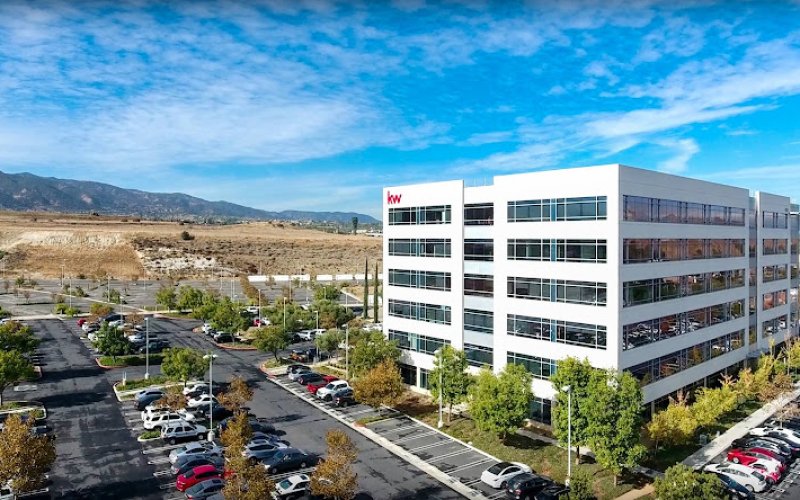
Keller Williams Corona
Real estate agency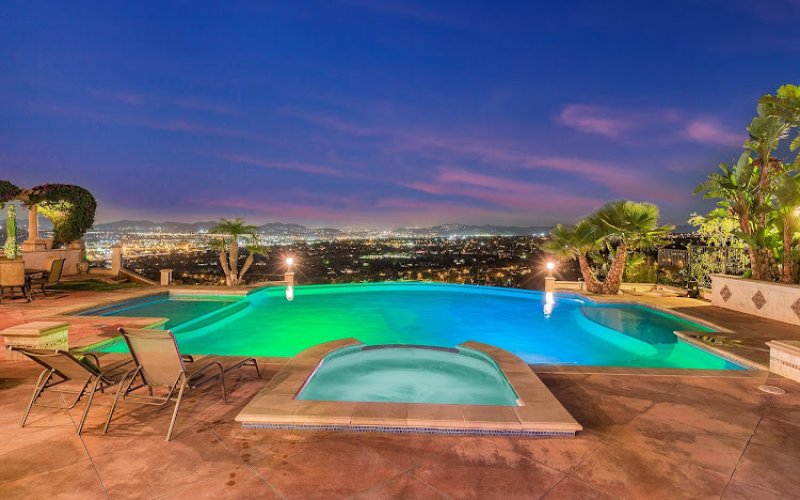
Active Realty, Inc
Real estate agency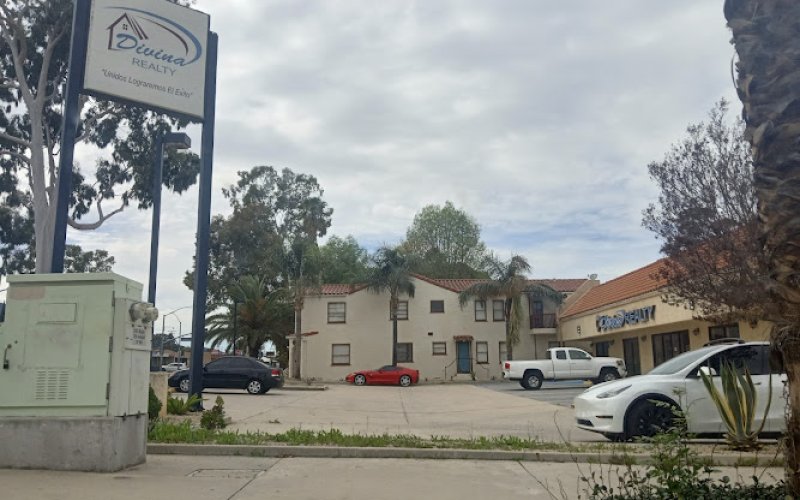
Divina Realty
Real estate agency
Century 21 Masters
Real estate agencyAbout Realtors in Corona
Corona's median home price hit $668,000 in early 2025—up roughly 41% from where it sat in 2020. That single number explains why picking the right realtor here isn't a casual decision. You're not buying a used car. The stakes are genuinely high, and the Corona market moves fast enough that an inexperienced agent can cost you a deal—or $40K in missed negotiation.
The city's realtor market is dense. Riverside County has over 8,000 licensed agents, and a significant chunk work the Corona-Eastvale-Norco corridor regularly. But "working" an area and actually knowing it are different things. Corona's grown from about 157,000 residents in 2010 to an estimated 170,000+ today, with Millennial first-time buyers and IE-to-OC commuters making up the biggest buyer segments right now. The 91 freeway corridor is the connective tissue—buyers want access to Orange County jobs without Orange County prices, and Corona is still delivering that (barely, but still).
What separates Corona from, say, Riverside or Moreno Valley is the price compression. You've got entry-level townhomes in South Corona competing with fully detached homes in neighboring cities, which creates unusual valuation complexity. Agents who don't understand that dynamic—who just pull comps without knowing why South Corona condos sometimes outsell North Corona single-families on a per-square-foot basis—are going to underprice your listing or overbid your offer.
South Corona / Sycamore Creek
- Area Profile: Newer master-planned communities, median household incomes around $95,000–$110,000, heavy concentration of young families and dual-income professionals
- Realtors Activity: High turnover in the 4–6 year ownership range; lots of move-up buyer activity as people outgrow starter homes
- Price Range: $620,000–$820,000 for detached single-family; townhomes starting around $490,000
- Local Note: Sycamore Creek HOA rules trip up inexperienced agents constantly—buyers get surprised by the CC&Rs. Know your agent knows this area's HOA landscape.
North Corona / Downtown Adjacent
- Area Profile: Older housing stock, more price-accessible, longer-tenured residents mixed with investors buying rentals
- Realtors Activity: Fix-and-flip activity is real here—agents need to understand ARV math, not just comps
- Price Range: $480,000–$650,000; distressed properties occasionally hitting $400K range
- Local Note: Proximity to the Metrolink station matters more than most agents pitch it. That's a legitimate value driver for remote/hybrid workers.
Eastvale (Northwest Corona edge)
- Area Profile: Technically its own city but many agents and buyers blur the line; larger lots, newer builds, family-oriented
- Realtors Activity: Strong demand, low inventory; homes here routinely see multiple offers within 7–10 days
- Price Range: $750,000–$980,000 for standard 4BR detached
- Local Note: Eastvale school ratings (CNUSD crossover) affect price by as much as 8–12%—a good local agent knows exactly which streets fall in which attendance zones.
📊 Current Price Points:
- Entry-level: $450,000–$560,000 — attached condos, older North Corona ranches, sometimes townhomes with HOA
- Mid-range: $580,000–$780,000 — this is where 60%+ of Corona transactions happen; the bread-and-butter detached single-family
- Premium: $850,000+ — Chase Ranch, newer South Corona builds, anything with a view or oversized lot
📈 Market Trends:
- Active listing inventory is up about 18% year-over-year in Corona ZIP codes—so buyers have slightly more breathing room than 2022–2023
- Average days on market: 28–35 days (up from a chaotic 9-day average in 2022)
- Price reductions are appearing on ~22% of listings—still seller-favorable but no longer insane
- Interest rate sensitivity is real here; the buyer pool visibly contracts when 30-year rates push above 7.2%
💰 What People Are Spending on Realtor Services:
- Standard commission structure: 2.5–3% buyer's agent, seller's agent negotiated separately post-NAR settlement
- Flat-fee listing services in Corona: $3,000–$7,500 for limited MLS exposure
- Full-service premium agents: Total transaction cost often landing at 4–5% of sale price after new commission rules
- Buyer representation agreements now required upfront—understand what you're signing before touring homes
Corona's economy isn't glamorous but it's stable. Major employers include Amazon (two fulfillment centers), Fender Musical Instruments (headquarters here—still), various healthcare employers along the 15/91 corridor, and the sprawling logistics sector that defines inland Southern California. Median household income sits around $82,000, versus California's median of roughly $91,000—but home equity gains have made many longtime Corona owners surprisingly wealthy on paper.
New development is real and relevant. The Bedford master-planned community in South Corona is still delivering phases, adding inventory but also adding buyers who want to be close to new construction. The Crossings at Corona retail corridor keeps pulling commercial activity, which supports residential values nearby. And there's ongoing discussion—years-long discussion, honestly—about transit-oriented development near the North Main Street Metrolink station that could reshape that neighborhood's trajectory.
About 180–220 active real estate agents have meaningful Corona transaction history in any given 12-month window. The top 20% of them handle roughly 65% of closed volume. That concentration matters when you're picking an agent.
- ☀️ Spring/Summer (March–July): Peak inventory AND peak competition; you'll see the most homes but face the most offers—list prices often achieved or exceeded
- 🍂 Fall (Sept–Nov): Inventory drops but so does buyer competition; motivated sellers who missed summer start making concessions
- ❄️ Winter (Dec–Feb): Slowest period; serious buyers face less competition; motivated sellers occasionally price below market—this is when deals happen
- 📅 Peak negotiation window: January–February, when homes that didn't sell in Q4 get relisted with adjusted expectations
Smart Timing Tips:
- ✓ If you're selling, list in late March—buyer urgency is high and school-year deadlines create real purchasing pressure
- ✓ If you're buying, tour aggressively in October; write offers in November when sellers get nervous about the holiday slowdown
- ✓ Watch the Fed announcement calendar—rate-sensitive Corona buyers move in waves after rate news; good agents know to submit offers the day before major announcements
- ✓ Corona's wildfire season (Aug–Oct) affects insurance availability and sometimes closing timelines—factor 2–3 extra weeks if you're in a hillside area
California licenses all real estate agents through the California Department of Real Estate (DRE) at dre.ca.gov—check your agent's license status before anything else. Takes 30 seconds. No excuse not to. Beyond that, look for NAR membership (access to MLS) and any designations like CRS (Certified Residential Specialist) or ABR (Accredited Buyer's Representative) that signal additional training.
Questions to actually ask:
- How many transactions have you closed in Corona specifically in the last 12 months? (Fewer than 4–5 is a yellow flag)
- Can you show me your list-price-to-sale-price ratio for recent deals?
- How do you handle multiple-offer situations? Walk me through your last one.
⚠️ Red Flags Specific to Corona Realtors:
- Agents who primarily work Orange County or LA markets and "also cover Corona"—the market dynamics are different enough that this matters
- Vague answers about the post-NAR commission changes and what you'll actually owe as a buyer or seller—if they can't explain the new rules clearly, run
- Listing agents who recommend pricing above comparable sales "to see what happens"—Corona's market punishes overpriced listings with stigma fast
- Anyone who pushes you toward their affiliated lender without disclosing the referral relationship—it's legal but worth knowing
Where to check complaints: CA DRE license lookup, BBB Riverside County chapter, and Google reviews—specifically look for patterns, not individual bad reviews. One angry client means nothing. Five reviews mentioning "slow communication" means something.
✓ Established presence in Corona—ideally an agent or team physically based here, not commuting from Irvine to collect a commission
✓ Verifiable local reviews mentioning specific neighborhoods and deal details (generic praise is useless)
✓ Transparent, written breakdown of fees and what you get for them—no vague "we'll figure it out at closing"
✓ A clear explanation of exactly how they handle offer submission, negotiation, and contingency management
✓ Responsive within a few hours during business days—in this market, a slow agent is a costly agent
Unlicensed or lapsed DRE license—non-negotiable disqualifier
Unwilling to provide a written buyer representation agreement explaining their compensation—post-2024 NAR rules make this legally required anyway
No actual closed transactions in Corona in the past 18 months—enthusiasm doesn't substitute for local deal experience
High-pressure tactics around "this home will be gone tomorrow"—sometimes true, but agents who use urgency as a manipulation tool rarely have your interests first
Cost Calculator
Check Reviews & Ratings
We recommend verifying businesses through trusted review platforms before making a decision.
Frequently Asked Questions
Popular Categories in Corona
Explore Other Cities
🏡 Realtors near Corona
Professional Categories in Corona, CA
Related Services from Similar Professionals