Top-Rated Realtors Serving Detroit, MI
Welcome to your go-to spot for finding awesome real estate agents right here in the Motor City! Whether you're looking to buy your first place in Corktown or sell that house in Royal Oak, we've got the local Detroit realtors who know this city inside and out.
Map of Businesses in Detroit
All Listings in Detroit
9 businesses
Erica Collica Swink | Max Broock Realtors
Real estate agency
Match Realty LLC
Real estate agency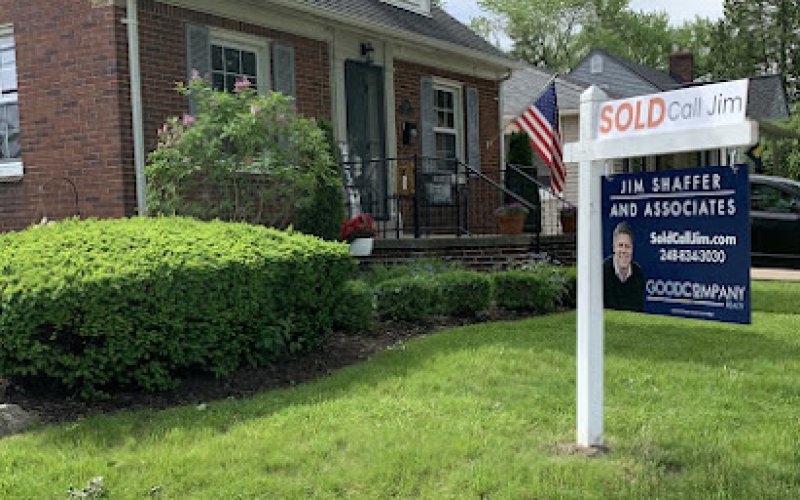
Jim Shaffer and Associates Realtors
Real estate agency
Nika & Co
Real estate agency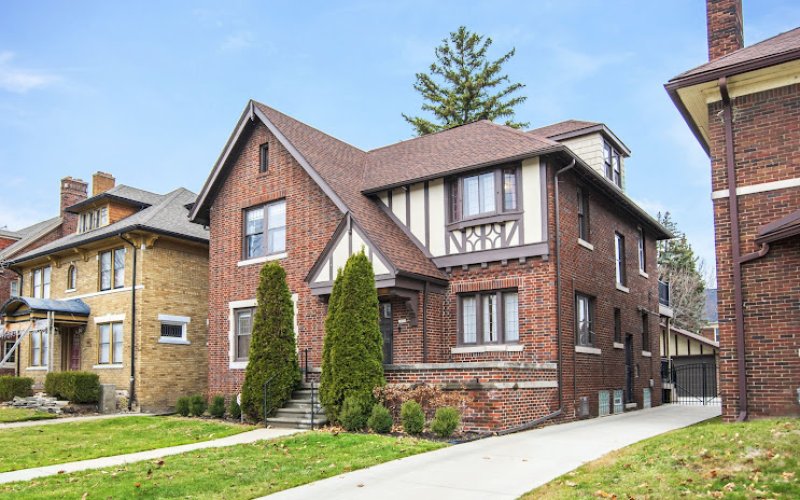
JTA REALTORS
Real estate agency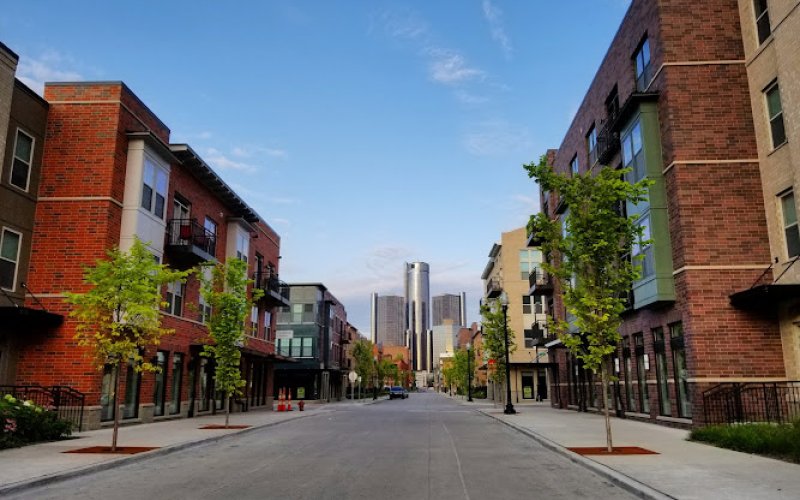
Realtyflo Inc
Real estate agency
PREP Realty
Real estate agency
Rocket Homes
Real estate agency
O'Connor Realty
Real estate agencyAbout Realtors in Detroit
Detroit's real estate market just hit 14,847 home sales in 2024—up 18% from the previous year. That's the highest transaction volume since 2007, and it's creating unprecedented demand for experienced realtors who actually know this city's unique landscape. Look, here's what the data really shows. The median home price jumped to $89,500 last year, which might sound modest compared to coastal markets, but that's a 31% increase from 2020. More importantly? Properties are moving 23% faster than they did five years ago—average days on market dropped from 67 to 52 days. New residents are pouring in at 2.3% annually, driven by Detroit's $2.8 billion in downtown development projects and companies like Ford investing $740 million in the Michigan Central Station district. What makes Detroit different from other markets is the sheer diversity of property types and price points within a single ZIP code. You've got $15K fixer-uppers three blocks from $350K renovated Victorians. Realtors here need to understand everything from land contracts and tax foreclosures to historic tax credits and opportunity zone investments. The typical Detroit realtor handles 47 transactions annually—nearly double the national average of 24—because deal sizes are smaller but volume is intense. And honestly? Half the MLS listings don't capture what buyers actually need to know about flood zones, soil conditions, or which blocks have active neighborhood watch programs.
Corktown
- Area Profile: 1880s-1920s rowhouses and cottages, 25x125 lots, mix of renovated and original condition
- Common Realtors Work: Historic home sales, new construction condos $280K-$450K, investor property flips
- Price Range: Renovated homes $195K-$385K, teardown lots $35K-$65K
- Local Note: Ford's Michigan Central project boosted values 40% since 2022, but watch for flood-prone areas near I-75
Midtown/Wayne State Area
- Area Profile: 1910s-1960s apartments, student housing, emerging mixed-use development, compact urban lots
- Common Realtors Work: Rental property sales to investors, condo conversions, first-time homebuyer programs
- Price Range: Condos $85K-$165K, small houses $75K-$140K, investment properties $45K-$95K
- Local Note: Wayne State enrollment drives rental demand; properties within 6 blocks of campus rent 25% higher
Boston-Edison
- Area Profile: 1905-1925 mansions on 60x200 lots, historic district protections, grand architecture
- Common Realtors Work: Luxury historic sales $150K-$650K, estate transactions, preservation buyers
- Price Range: Restored mansions $275K-$650K, renovation projects $85K-$200K
- Local Note: Historic district requires city approval for exterior changes; factor 6-8 weeks into closing timelines
📊 **Current Pricing:**
- Entry-level markets: $35K-$85K (investor flips, first-time buyers, cash deals)
- Mid-range: $85K-$185K (move-in ready homes, most family buyers)
- Premium: $185K+ (renovated historic, new construction, waterfront)
The realtor commission structure here runs different than most markets. Standard 6% splits still dominate, but 22% of transactions now involve flat-fee or discount brokerages—up from 8% in 2019. Why? Because Detroit's lower median prices mean traditional commissions often don't cover the actual work involved in complex transactions. 📈 **Market Trends:** Inventory dropped to 1.8 months supply—the lowest on record. We're seeing 34% more cash buyers than pre-pandemic levels, with investors from Chicago, Toronto, and surprisingly, California making up 28% of all purchases. Multiple offer situations jumped 156% year-over-year, but here's the thing—many "multiple offers" are still under asking price because appraisals lag behind market momentum. Wait times to close? Conventional loans average 52 days (up from 38 in 2020) due to appraisal backlogs. Cash deals close in 18-25 days typically. FHA loans take 65+ days because many properties need repairs to meet HUD standards. 💰 **What People Are Spending:**
- First-time buyers: $75K average purchase price, 73% use down payment assistance
- Investors: $52K average, 89% cash purchases, targeting rental yields of 12%+
- Move-up buyers: $145K average, often selling starter homes for $85K simultaneously
- Out-of-state relocations: $165K average, 45% work remotely
**Economic Indicators:** Detroit's population stabilized at 639,111—first time we haven't lost residents since the 1950s. Major employers added 14,200 jobs in 2024, led by Ford ($2.5B investment), General Motors ($3.1B), and tech companies in the downtown corridor. The QLine extension broke ground, and $847M in new residential projects got approved city-wide. But here's what really drives real estate activity: opportunity zones. Detroit has 25 qualified zones covering 31% of the city, and they've attracted $1.2 billion in development capital since 2018. Properties in these zones see 23% higher appreciation rates, but you need a realtor who understands the tax implications. **Housing Market:** - Median home value: $89,500 (up 31% from 2020) - Year-over-year change: +12.4% - New construction permits: 2,847 units in 2024 (highest since 2006) - Inventory levels: 1.8 months supply (severe shortage) **How This Affects Realtors:** Simple math. When you have 1.8 months of inventory and 14,847 annual sales, realtors are scrambling to find listings. The best agents now focus on off-market deals, pocket listings, and direct mail campaigns to homeowners. I've watched top producers shift from traditional MLS marketing to relationship-based sourcing—they're calling expired listings from 2019, tracking down estate heirs, and building networks with contractors who spot potential sellers.
**Weather Data:**
- ☀️ Summer: Highs 75-85°F, humid, occasional severe storms
- ❄️ Winter: Lows 15-25°F, 40+ inches annual snowfall
- 🌧️ Annual rainfall: 32.9 inches, concentrated May-September
- 💨 Wind/storms: Severe thunderstorms 15-20 days annually, occasional tornadoes
**Impact on Realtors:** Peak selling season runs April through October, with 67% of annual transactions happening in these seven months. Winter showings drop 43%, but serious buyers emerge—less competition, more negotiating power. Smart realtors use January-March for prospecting, continuing education, and building relationships with contractors and lenders. Weather damage patterns matter here. Basement flooding affects 18,000+ Detroit homes annually, particularly in areas with combined sewers. Realtors need to understand FEMA flood maps, basement waterproofing systems, and how to explain flood insurance requirements without scaring buyers. **Homeowner Tips:** ✓ Schedule inspections between April-October for best contractor availability ✓ Budget extra $2,500-$4,500 for basement waterproofing in older homes ✓ Consider flood insurance even outside designated flood zones—DWSD backup coverage costs $180-$340 annually ✓ Time closings to avoid peak storm season (July-August) when possible
**License Verification:** Michigan Department of Licensing and Regulatory Affairs (LARA) oversees all real estate licenses. Every realtor needs an active Michigan Real Estate Salesperson or Broker license. Look up license numbers at michigan.gov/lara—search by name or license number. Check for any disciplinary actions, expired licenses, or restrictions. **Insurance Requirements:** - General liability minimum: $1M per occurrence (most carry $2M) - Errors & omissions insurance: $500K minimum for individual agents - Verify coverage through agent's brokerage—independent agents should provide proof ⚠️ **Red Flags in Detroit:**
- Agents pushing "cash only" deals without explaining financing options—often hiding property issues
- Realtors who won't provide recent comparable sales data or seem unfamiliar with specific neighborhoods
- Pressure to waive inspections "because it's a hot market"—Detroit still has inspection issues other markets don't
- Agents who can't explain Detroit's unique programs: DLBA auctions, land bank properties, tax foreclosure process
**Where to Check Complaints:** - Michigan LARA licensing board: michigan.gov/lara - Better Business Bureau Detroit: bbb.org/detroit - Wayne County Consumer Protection: waynecounty.com/elected/prosecutor/consumer.htm
✓ Minimum 3 years working specifically in Detroit (not just licensed in Michigan)
✓ Portfolio showing transactions across different price points and property types
✓ References from buyers/sellers in your target neighborhood within past 6 months
✓ Detailed market analysis showing recent comparables and pricing strategy
✓ Clear communication about timeline, potential issues, and backup plans
Cost Calculator
Check Reviews & Ratings
We recommend verifying businesses through trusted review platforms before making a decision.
Frequently Asked Questions
Popular Categories in Detroit
Explore Other Cities
🏡 Realtors near Detroit
Professional Categories in Detroit, MI
Related Services from Similar Professionals