Top-Rated Realtors Serving Fort Collins, CO
Welcome to your one-stop spot for finding a great realtor in Fort Collins! Whether you're buying your first home or selling the one you've outgrown, we've got local agents who know this town inside and out.
Map of Businesses in Fort Collins
All Listings in Fort Collins
8 businesses
At Home Realty
Real estate agency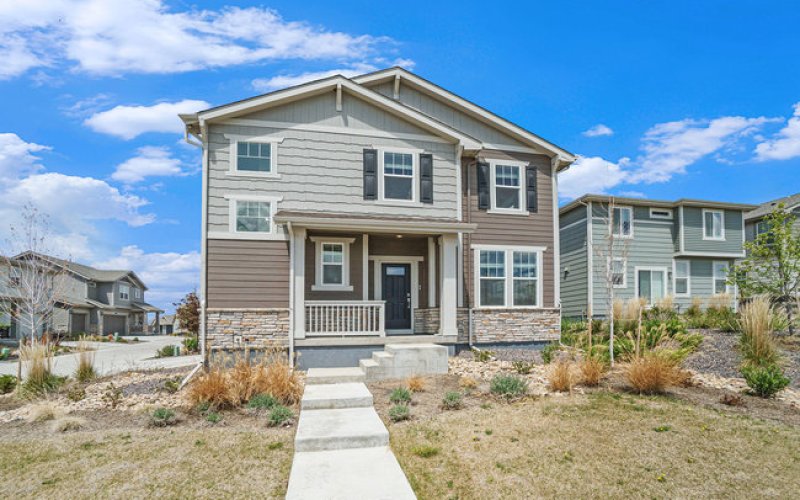
Find Colorado Real Estate
Real estate agency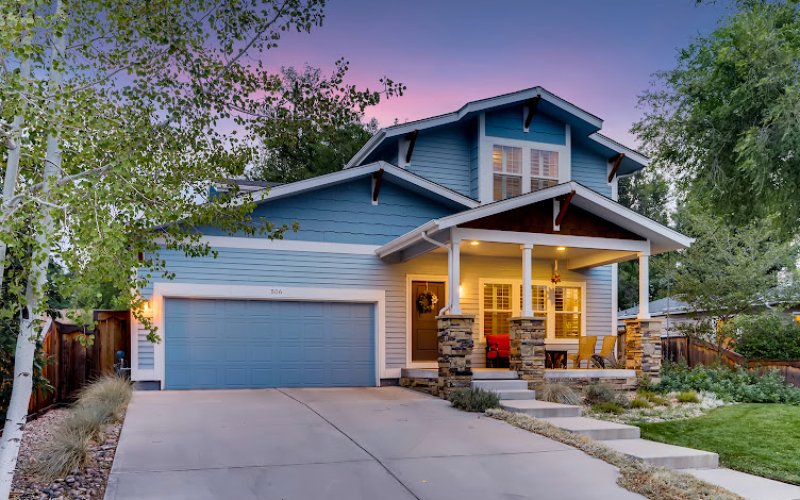
Kyle Basnar - Realtor, The Group, Inc.
Real estate agent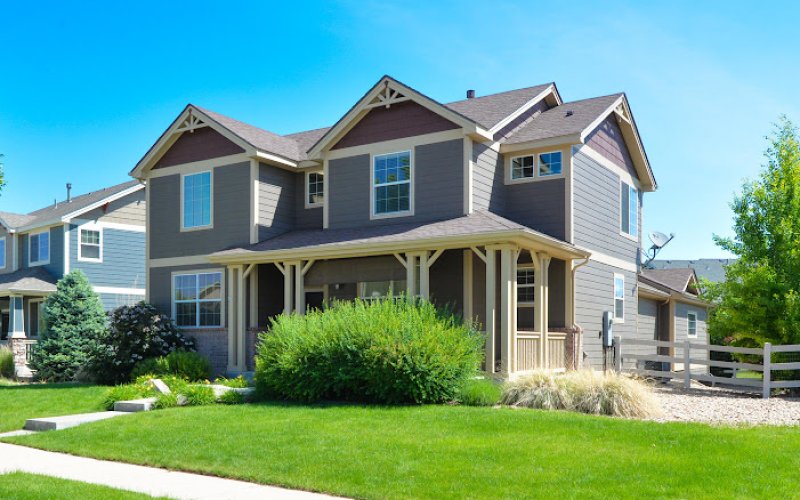
Lloyd J Smith Realtor Fort Collins
Real estate agency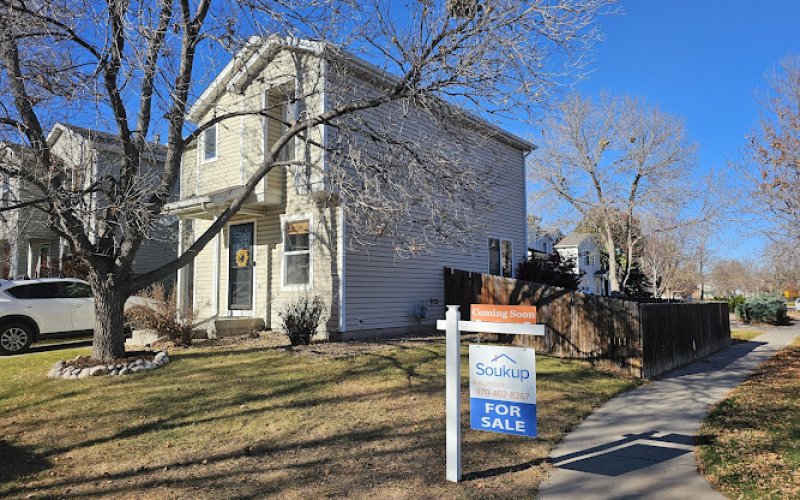
Soukup Real Estate Services
Real estate agency
The Mullenberg Team, eXp Realty Northern Colorado
Real estate agent
Rob Kittle - Kittle Real Estate
Real estate agency
Keller Williams Realty Northern Colorado
Real estate agencyAbout Realtors in Fort Collins
Fort Collins saw just 1,847 residential closings in 2023—down 31% from the 2021 peak of 2,670. That's not a crash. That's a market catching its breath after years of insanity, and honestly, it's creating some of the most interesting conditions for buyers we've seen since 2015.
The Fort Collins realtor market runs differently than Denver or Boulder, and locals know it. You've got roughly 1,200+ licensed agents operating in Larimer County, but maybe 200 of them close more than 10 transactions a year. The rest? Part-timers riding out their license. The city's population hit 174,000 in 2023—up 18% since 2010—driven by Colorado State University's 34,000-student enrollment, the Anheuser-Busch facility, and a tech corridor that's quietly grown along Harmony Road. Median home prices settled around $535,000 in late 2024, which sounds brutal until you compare it to Boulder's $875,000 median. By Front Range standards, Fort Collins still pencils out for a lot of buyers.
Who's buying here? Three distinct groups dominate. First-time buyers in their late 20s to mid-30s, mostly CSU grads who stayed. Then the Denver escapees—remote workers or hybrid commuters who decided $200K in price difference is worth an hour on I-25. And relocating families drawn by Poudre School District's reputation. What makes this market genuinely different from other Colorado cities is the CSU effect—enrollment cycles create very real seasonal demand patterns that experienced local agents have learned to exploit, and newer agents haven't.
Old Town / Downtown Core
- Area Profile: Mixed owner-occupant and investment buyers, walkable, attracts professionals in their 30s–50s and CSU faculty
- Realtors Activity: High demand for bungalows and Craftsman-style homes, condo activity near Mountain Avenue—multiple offers still happen here even in a slow market
- Price Range: $550,000–$950,000+ for single-family; condos starting around $320,000
- Local Note: Proximity to the Poudre River Trail and College Avenue restaurant corridor means days-on-market here average just 18 days versus the city-wide 34-day average
Harmony Road Corridor (Southeast)
- Area Profile: Tech-adjacent, higher household incomes ($95,000–$130,000 range), newer construction, employer-proximity buyers
- Realtors Activity: Strongest market for move-up buyers, lots of 4BR activity, HP and Broadcom campuses nearby drive relocation demand
- Price Range: $575,000–$850,000 for newer builds in Fossil Creek and Ridgewood Hills
- Local Note: The Harmony Road tech corridor added 1,200+ jobs in 2022–2023 alone—realtors who specialize here understand corporate relocation timelines better than generalists do
Midtown (College Ave Mid-Corridor)
- Area Profile: More affordable, mixed-use residential, appeals to first-time buyers and investors looking at rental potential
- Realtors Activity: Highest transaction volume by unit count, lots of investor activity targeting CSU rental demand
- Price Range: $380,000–$520,000—the most accessible entry point in the city
- Local Note: Officially this area's average price-per-square-foot is lower, but locals know certain blocks near Rolland Moore Park sell 8–12% above Zestimate because the data doesn't capture the park premium
📊 Current Price Points:
- Entry-level: $380,000–$480,000 — mostly Midtown, older ranch-styles, some townhomes
- Mid-range: $490,000–$650,000 — the heaviest activity band, where most Fort Collins families actually transact
- Premium: $700,000–$1.1M+ — Old Town character homes, Harmony tech-corridor new builds, anything with mountain views
📈 Market Trends:
- Active listings up 22% year-over-year as of Q3 2024—finally giving buyers some room to breathe
- Days on market: 34 average citywide, up from 12 in peak 2021
- Price reductions on roughly 28% of active listings—that number was 6% in 2022
- Seasonal pattern is sharp here—CSU move-in August creates a mini-surge, spring semester end in May triggers another
- Average close timeline: 35–45 days once under contract
💰 What People Are Spending (Most Popular Categories):
- Single-family resale in the $490K–$620K range — accounts for ~52% of transactions
- New construction in Timnath/Windsor — growing, now ~18% of closings
- Condos and townhomes under $400K — first-time buyer segment, about 21% of deals
- Investor/rental acquisitions near CSU — smaller volume but very active, typically $350K–$480K
Fort Collins's unemployment rate runs consistently below 3.5%—lower than Colorado's already-low state average. CSU employs 7,000+ people directly. Add Broadcom, HP's operations, Woodward Inc., and a brewery/food-tech sector that actually generates real jobs (not just Instagram content), and you have a genuinely diversified employment base that keeps housing demand from collapsing when one sector softens.
- 📍 Population growth: ~1.8% annually, outpacing state average of 1.2%
- 📍 Median household income: ~$72,000—below Colorado's $87,000 state median, which means affordability pressure is real
- 📍 New development: Montava master-planned community (northeast Fort Collins) is adding 3,500+ units over 10 years—the biggest single development impact on the market since Fossil Creek
- 📍 I-25 expansion project improving Denver commute viability, pushing more remote-hybrid buyers northward
There are roughly 300+ active real estate firms and teams in the metro. The top 10% of agents close 60%+ of transactions—classic power law distribution. The mid-tier is getting squeezed by team models and discount brokerages. For buyers and sellers, that means the gap between a top-tier local agent and an average one is enormous—probably $15,000–$40,000 in outcome difference on a typical transaction.
- ☀️ Spring (March–May): Peak listing inventory hits, but also peak competition—expect multiple offers on anything under $550K priced correctly
- 🍂 Fall (Sept–Nov): My honest favorite window for buyers. Sellers who didn't close in summer get anxious. Price reductions spike in October.
- ❄️ Winter (Dec–Feb): Lowest transaction volume, motivated sellers only—serious deals possible but limited selection. Average list price drops about 4–6% from summer peak.
- 📅 Peak months to act fast: April–June. Peak months to negotiate hard: October–January.
Smart Timing Tips:
- ✓ List or search in late September—inventory still decent, competition drops 35–40% from summer peak
- ✓ Watch for CSU-adjacent listings that hit in late July (professor sabbaticals, grad student departures)—these often sit because the timing confuses buyer agents unfamiliar with the pattern
- ✓ Get pre-approval locked before March—lender timelines stretch 15–20 days longer in spring rush
- ✓ Builder incentives on new construction in Timnath typically peak Q4 when builders push to close their fiscal year
Colorado licensing runs through the Colorado Division of Real Estate (dora.colorado.gov)—you can verify any agent's license status, check for disciplinary actions, and confirm their license type in about 90 seconds. Do it. Every time. Don't skip this because someone has a nice headshot.
- Active CO broker's license (employing broker vs. broker associate matters)
- NAR membership and access to IRES MLS (the local Northern Colorado MLS)—non-members have limited data access
- Fort Collins Board of Realtors membership signals local market commitment
- Designations worth something: CRS (Certified Residential Specialist), ABR (Accredited Buyer's Rep)—not just pretty letters
⚠️ Red Flags Specific to Fort Collins Realtors:
- Agent claims expertise in "all of Northern Colorado" but can't name the specific HOA restrictions in Fossil Creek or the floodplain issues near the Poudre River—vague geographic claims mask thin local knowledge
- Pushes you toward new construction in Timnath without disclosing they have a preferred builder relationship paying referral fees—ask directly
- Can't pull specific comparable sales data for your target neighborhood on the spot during consultation—means they're working off Zillow like you are
- Guarantees a sale price before seeing the property or running real comps—that's a listing hook, not professional analysis
Check complaints at: Colorado Division of Real Estate, BBB (bbb.org/local/Denver), and Google Reviews. Pattern to watch for on reviews—generic 5-star reviews with no transaction details are often planted. Look for reviews that mention specific streets, timelines, and problems that got solved.
✓ Established presence in Fort Collins—not a Denver agent who occasionally shows up on I-25
✓ Verifiable local reviews mentioning specific neighborhoods and real transaction details
✓ Transparent commission structure before you sign anything
✓ Genuine familiarity with IRES MLS data and Northern Colorado-specific market dynamics
✓ Responsive within hours, not days—in a market where good listings move in under a week, communication speed matters
Refuses to provide references from Fort Collins transactions in the past year
Can't explain the post-NAR settlement commission structure changes that took effect August 2024—if they don't know this, they're not current
Pressures you to waive inspection contingencies as a default strategy rather than a market-specific calculated risk
No verifiable transaction history on Colorado Division of Real Estate lookup—walk away immediately
Cost Calculator
Check Reviews & Ratings
We recommend verifying businesses through trusted review platforms before making a decision.
Frequently Asked Questions
Popular Categories in Fort Collins
Explore Other Cities
🏡 Realtors near Fort Collins
Professional Categories in Fort Collins, CO
Related Services from Similar Professionals