Your Realtors in New Orleans, LA, Sorted
Welcome to our New Orleans realtor directory – whether you're looking to buy your first shotgun house in the Bywater or sell that gorgeous Garden District mansion, we've got the local agents who know this city like the back of their hand. These folks understand that finding a home in the Big Easy isn't just about square footage and school districts, it's about finding your perfect slice of our wonderfully weird and beautiful city.
Map of Businesses in New Orleans
All Listings in New Orleans
10 businesses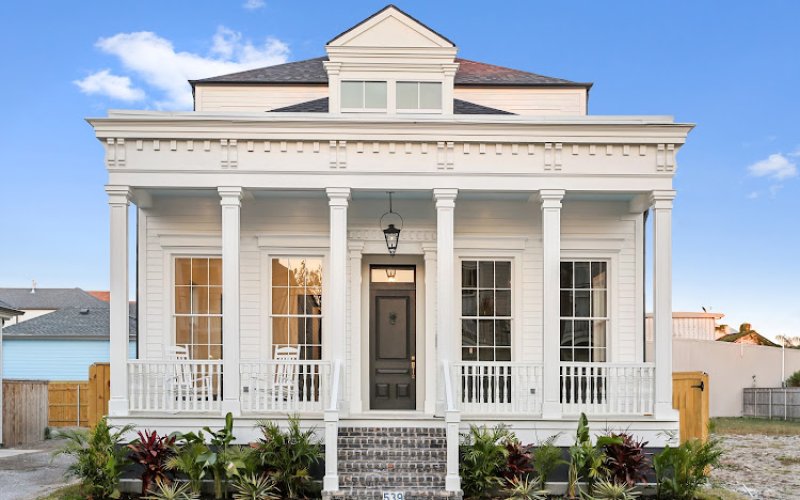
Adrienne LaBauve ~ LaBauve Group Brokered by eXp Realty
Real estate agent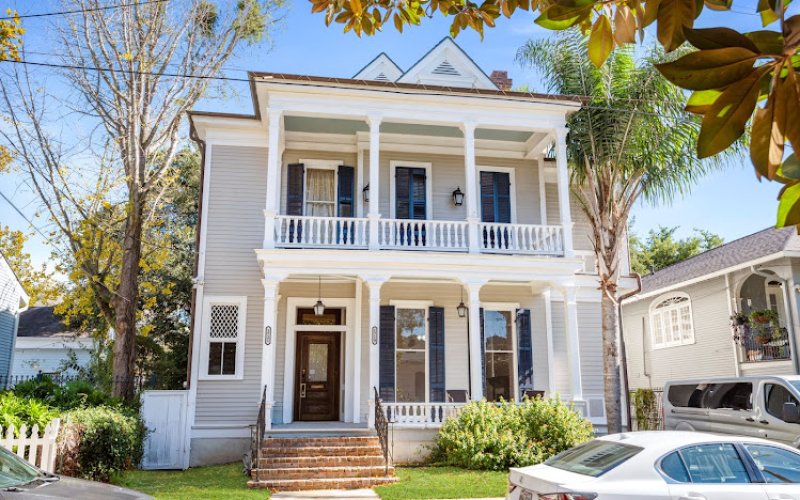
Be New Orleans
Real estate agent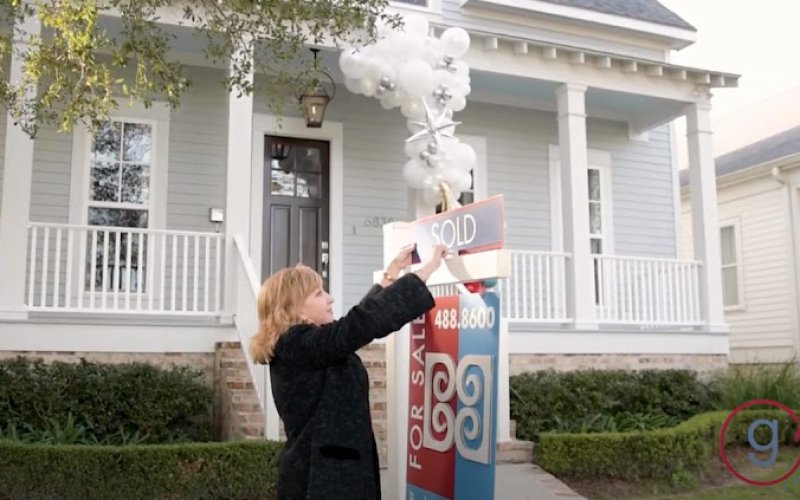
Burk Brokerage Real Estate
Real estate agency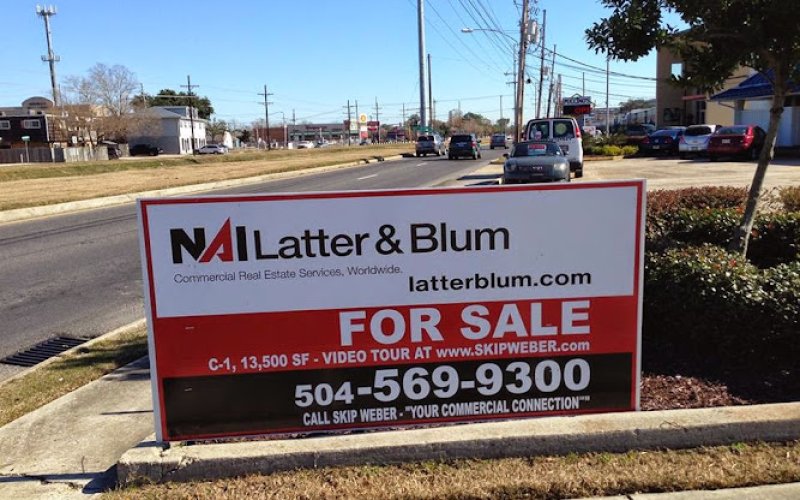
Compass
Real estate agency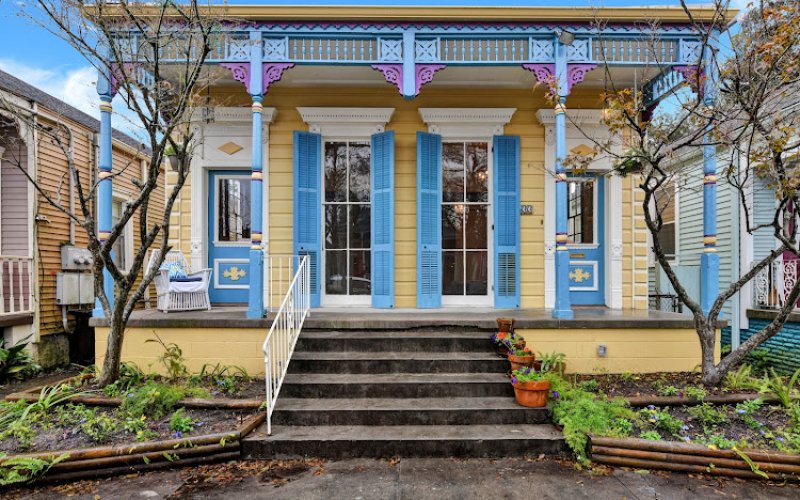
David Ernst l ListingNOLA
Real estate agent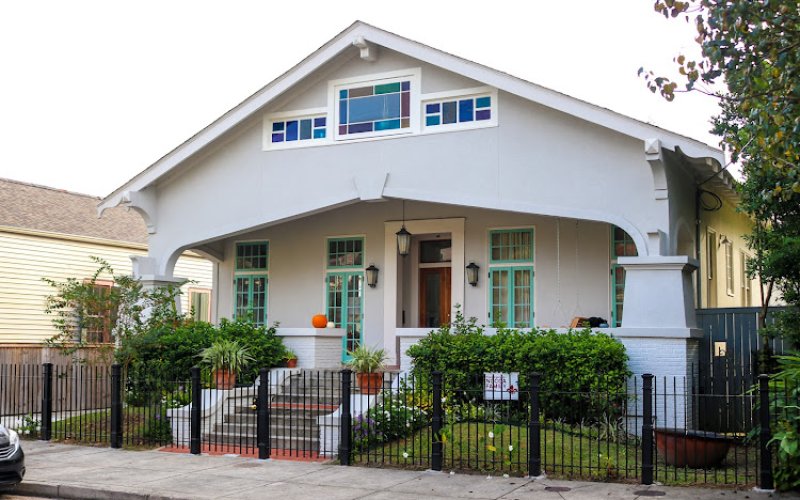
Satsuma Real Estate
Real estate agency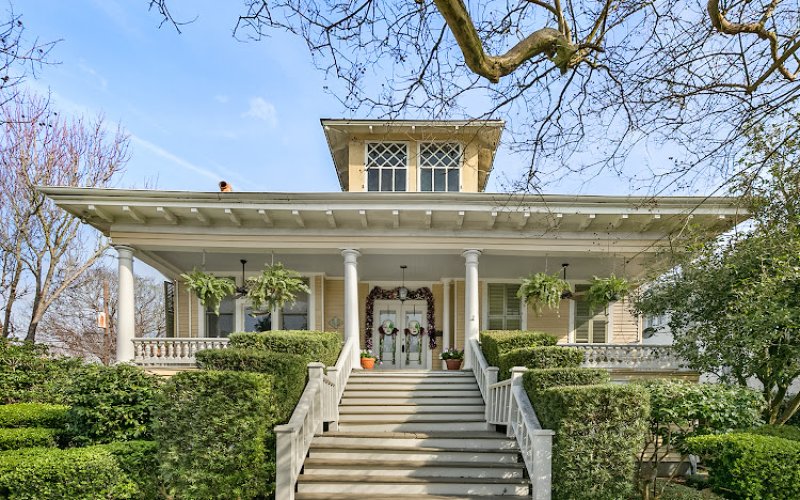
Crane Realtors
Real estate agency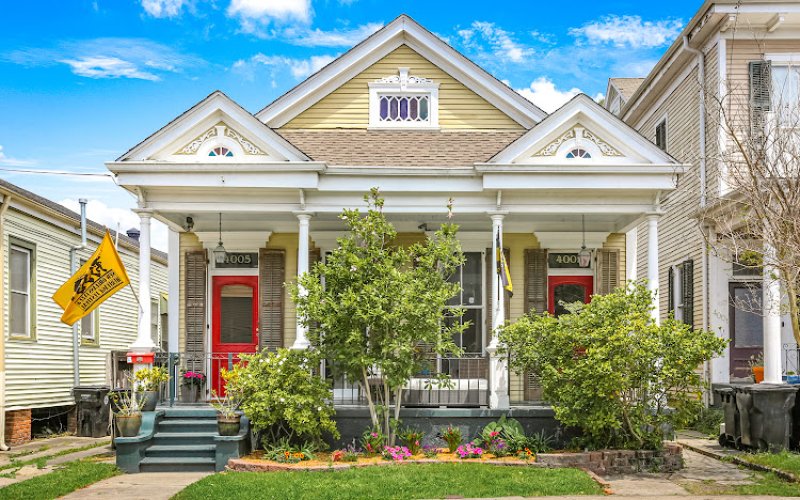
Galiano Realty
Real estate agency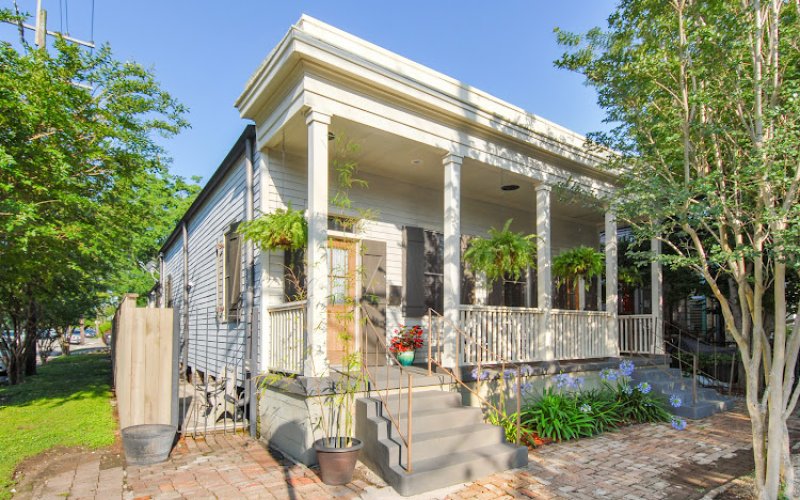
Rêve | Realtors
Real estate agency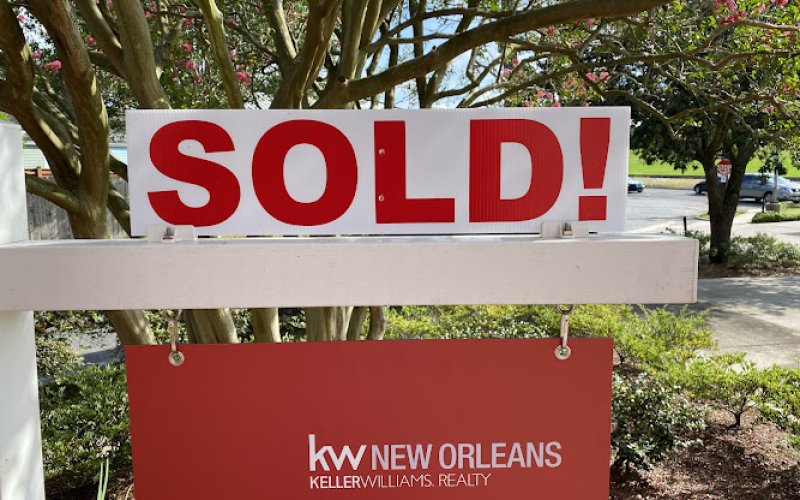
Keller Williams Realty New Orleans
Real estate agencyAbout Realtors in New Orleans
The New Orleans real estate market saw 14,847 home sales in 2023—down 18% from pre-pandemic levels, but here's the kicker: median prices jumped to $287,500, up 31% since 2020. That means realtors are working fewer transactions but higher-value deals. And they're busier than ever with the complexity. Post-Katrina rebuilding transformed how real estate works here. You've got historic properties requiring specialized knowledge (try explaining Creole cottage quirks to a buyer from Dallas), flood zone navigation that's basically its own skill set, and a rental market that's 47% of all housing stock. The short-term rental explosion—we're talking 13,000+ Airbnb units citywide—means realtors need to understand investment property analysis like never before. What drives demand? Tourism recovery hit 19.2 million visitors in 2023, creating investor interest. Population's been slowly climbing—up 2.8% since 2020 after years of decline. Plus, remote work refugees discovered they can afford a shotgun house in Bywater for what a studio costs in Brooklyn. Realtors here aren't just showing houses. They're translating flood insurance, explaining why that "charming" foundation crack matters, and managing deals where buyers need to close before hurricane season.
French Quarter & Marigny
- Area Profile: 18th-19th century Creole cottages, shotgun houses, condos in converted warehouses
- Common Realtor Work: Historic property transactions, short-term rental investment guidance, commercial-to-residential conversions
- Price Range: Condos $180K-$450K, houses $350K-$800K, commercial $500K-$2M+
- Local Note: Vieux Carré Commission approval required for exterior changes—realtors must understand these restrictions
Garden District
- Area Profile: Grand Victorian mansions, raised center-hall houses, lots 50'x150' typical
- Common Realtor Work: Luxury home sales, estate transactions, multi-generational property transfers
- Price Range: Entry luxury $650K, typical $850K-$1.5M, showplaces $2M-$8M
- Local Note: Many properties are family estates—realtors handle complex inheritance situations and tax implications
Uptown (Magazine Street Corridor)
- Area Profile: Mix of shotguns, double shotguns, some new construction, walkable to streetcar
- Common Realtor Work: First-time buyer assistance, renovation financing guidance, rental property flips
- Price Range: Shotguns $195K-$385K, doubles $285K-$520K, new builds $450K-$750K
- Local Note: Parking is crucial—properties with off-street parking command 15-20% premiums
📊 **Current Pricing:**
- Entry-level commission: 5-6% total (2.5-3% per side typical)
- Mid-range transactions: $250K-$500K median deal size
- Luxury market: $750K+ properties, often 6-7% total commission due to complexity
The market's weird right now. Inventory sits at 3.2 months supply—technically balanced, but realtors are seeing deals fall through at 23% rate due to financing issues. Interest rates hovering around 7% killed a lot of buyer enthusiasm. 📈 **Market Trends:** Cash buyers represent 31% of transactions now versus 19% in 2019. That's investors, but also remote workers cashing out expensive markets elsewhere. Realtors spend more time on investment analysis—rental projections, Airbnb potential, flood risk assessment. Wait times to close? Conventional loans average 47 days, but add 2-3 weeks if flood insurance gets complicated. And it gets complicated. A lot. 💰 **What People Are Spending:**
- First-time buyers: $180K-$280K range, heavy on shotguns and doubles
- Move-up buyers: $350K-$550K, seeking parking + more space
- Luxury locals: $600K-$1.2M, usually staying within 5 miles of current home
- Out-of-state investors: $150K-$400K, rental property focused
- Short-term rental buyers: $200K-$450K, location-obsessed
Seasonal patterns are pronounced. January-March is slow (nobody wants to move during Carnival), picks up April-June, peaks July-September, then dies after Thanksgiving. Smart realtors book 60% of annual income between April and October.
**Economic Indicators:** Population hit 383,997 in 2023—up from the post-Katrina low of 343,829 in 2010, but still 22% below pre-storm levels. Tourism drives everything: hospitality employs 89,000 people directly, supports another 140,000 jobs indirectly. Major employers beyond tourism: Ochsner Health (32,000 employees), Port of New Orleans (maritime commerce), energy sector (Shell, Chevron operations), and growing tech scene. The $2.4 billion airport renovation project created construction jobs through 2024. **Housing Market:** - Median home value: $287,500 (up 8.3% year-over-year) - New construction permits: 847 units in 2023 (up from 623 in 2022) - Rental vacancy rate: 6.8% (tight but not crazy) - Months of inventory: 3.2 months (balanced market) **How This Affects Realtors:** Tourism recovery means short-term rental investment stays hot. Realtors who understand Airbnb regulations, zoning restrictions, and revenue projections have competitive advantage. The airport project brought temporary population influx—those workers are buying now. But here's the thing: we're not seeing explosive growth like Austin or Nashville. This is steady, sustainable demand driven by people who choose New Orleans for lifestyle, not just economics. Realtors succeed by understanding the culture, not just pushing inventory.
**Weather Data:**
- ☀️ Summer: Highs 85-92°F, 90%+ humidity, daily afternoon storms
- ❄️ Winter: Lows 40-50°F, occasional freeze warnings, mild and damp
- 🌧️ Annual rainfall: 64 inches (national average is 38)
- 💨 Hurricane season: June-November, major storm risk every 3-4 years
**Impact on Realtors:** Summer showings happen early morning or evening—nobody tours houses at 2 PM in August. Hurricane season creates urgency; buyers want to close before June if possible. Flood insurance becomes part of every conversation. Realtors need to explain elevation certificates, understand FEMA flood maps, and know which properties require flood coverage (spoiler: most of them). Properties above sea level—rare here—command premiums. **Seasonal Patterns:** January-February slow due to Carnival season. March-May peak activity before summer heat. June-August requires creative scheduling. September-November good activity until hurricane scares. December dies completely. **Homeowner Tips:**
- ✓ Get elevation certificate before listing—buyers will ask
- ✓ Document any flood damage/repairs with receipts and photos
- ✓ Install whole-house generator if budget allows—major selling point
- ✓ Maintain detailed records of roof age/condition—insurance requires it
**License Verification:** Louisiana Real Estate Commission oversees all realtor licensing. Sales agents need 90-hour pre-license education plus state exam. Brokers need additional experience and education. Look up any license at lrec.state.la.us—it shows license status, disciplinary actions, and renewal dates. **Insurance Requirements:** Real estate agents aren't required to carry liability insurance, but brokerages must have errors & omissions coverage. Smart agents carry additional professional liability insurance—ask to see proof. ⚠️ **Red Flags in New Orleans:**
- Promises to waive flood insurance requirements (they can't—it's federal law)
- Pushes you to skip inspection on "historic charm" properties (never skip inspection here)
- Claims properties are "above flood zone" without elevation certificate proof
- Pressures quick closes during hurricane season without discussing insurance timing
**Where to Check Complaints:** Louisiana Real Estate Commission handles licensing violations. Better Business Bureau tracks complaint patterns. Orleans Parish Consumer Protection office deals with fraud. But honestly? Ask around. New Orleans real estate community is small—everyone knows everyone's reputation.
✓ Minimum 3 years New Orleans experience (market knowledge takes time)
✓ Portfolio showing variety of property types and neighborhoods
✓ References you can actually contact and verify
✓ Clear communication style that matches your preferences
✓ Network of local professionals (inspectors, contractors, lenders)
Cost Calculator
Check Reviews & Ratings
We recommend verifying businesses through trusted review platforms before making a decision.
Frequently Asked Questions
Popular Categories in New Orleans
Explore Other Cities
🏡 Realtors near New Orleans
Professional Categories in New Orleans, LA
Related Services from Similar Professionals