Trusted, Top-Rated Realtors in Baton Rouge, LA
Welcome to our Baton Rouge realtor directory – your go-to spot for finding the perfect agent to help you buy, sell, or invest in the Red Stick! Whether you're looking for a cozy cottage in Mid City or a sprawling home in Zachary, we've got local experts who know Louisiana real estate inside and out.
Map of Businesses in Baton Rouge
All Listings in Baton Rouge
8 businesses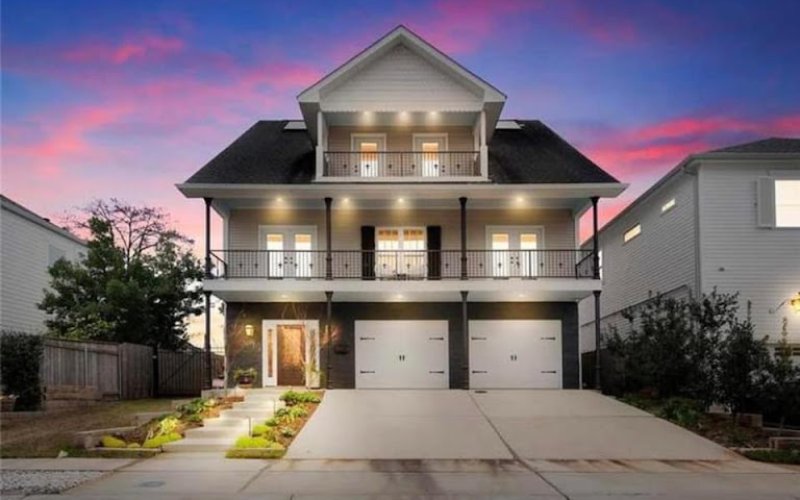
Borne2Sell Realty
Real estate agent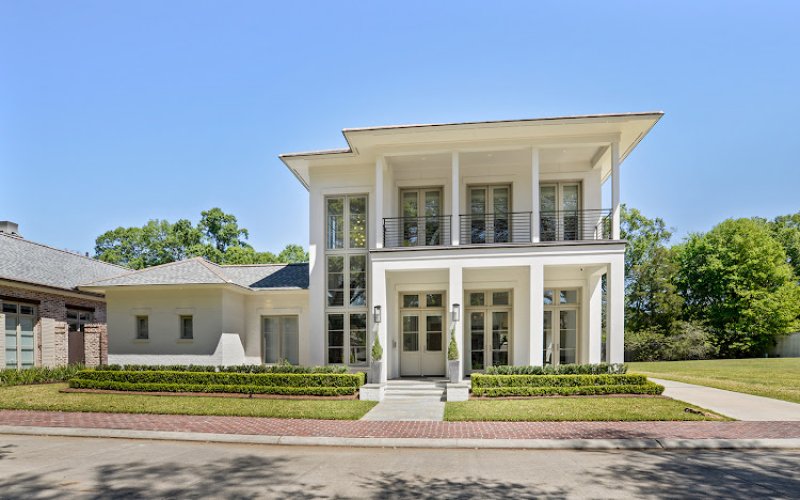
KELLER WILLIAMS REALTY \\ Bruno Real Estate Group
Real estate agency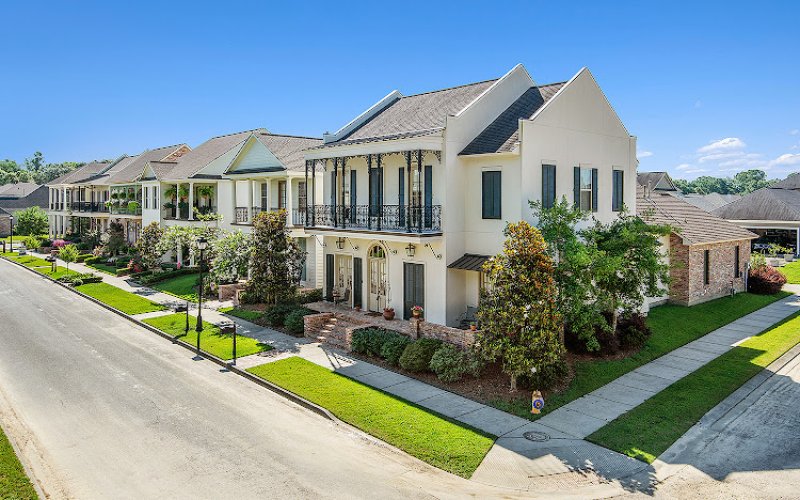
PINO & Associates
Real estate agency
Southern Homes Team
Real estate agency
Falaya Real Estate
Real estate agency
The W Group Real Estate
Real estate agency
The Standard Collective- Amanda Parfait
Real estate agency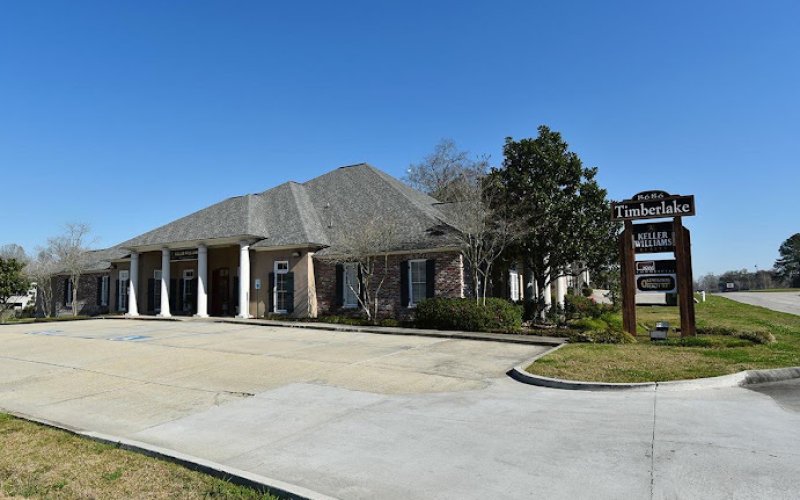
Keller Williams Realty Red Stick Partners
Real estate agencyAbout Realtors in Baton Rouge
Here's something that'll surprise you—Baton Rouge had 8,247 home sales in 2023, but only 2,100 licensed real estate agents actually closed deals. That means about 75% of local realtors didn't complete a single transaction. The market's gotten competitive. But here's the flip side. Those active agents? They're crushing it. Median home prices jumped from $187,500 in 2020 to $234,900 by late 2023—that's a 25% surge in three years. And with Louisiana State University enrollment holding steady at 34,000+ students plus faculty, plus ExxonMobil's ongoing expansion at their refinery complex, the demand stays consistent. New construction permits hit 1,847 units in 2023, up 12% from the previous year. What makes Baton Rouge different from, say, New Orleans or Shreveport? The government sector stability. State employees, LSU staff, petrochemical workers—they're not going anywhere. And they buy homes. The challenge isn't finding buyers; it's inventory. We're sitting at 2.1 months of supply, well below the 6-month balanced market threshold. Local realtors who understand flood zones, know which neighborhoods are on the upswing (looking at you, Mid City), and can navigate the quirks of Louisiana property law—they're the ones making $85K to $150K annually.
Garden District
- Area Profile: Historic homes from 1920s-1940s, 0.2-0.5 acre lots, mix of bungalows and colonials
- Common Realtors Work: First-time buyer guidance, historic home inspections, flood zone explanations
- Price Range: Homes typically $180K-$320K, commission splits favor experienced agents
- Local Note: Half the properties require flood insurance—agents need to know FEMA maps cold
Southdowns
- Area Profile: Established 1950s-1960s ranch homes, larger lots, tree-lined streets
- Common Realtors Work: Move-up buyers, estate sales, family relocations
- Price Range: $220K-$450K range, higher commission potential
- Local Note: Covington Elementary school district—major selling point parents research heavily
Mid City
- Area Profile: Gentrifying area, 1940s-1950s homes getting renovated, walkable to downtown
- Common Realtors Work: Investor clients, renovation financing, neighborhood transition guidance
- Price Range: $95K fixer-uppers to $280K renovated, fast turnover
- Local Note: Crime stats vary block by block—local knowledge absolutely critical
📊 **Current Pricing:**
- Entry-level homes: $140K-$200K (older neighborhoods, starter homes)
- Mid-range: $200K-$350K (most common buyer segment, established areas)
- Premium: $350K+ (Prairieville, Southdowns, custom builds)
The commission structure hasn't budged much—still seeing 6% splits between listing and buyer agents in 80% of transactions. But here's what's changed: buyer consultation fees. About 30% of agents now charge $500-$1,500 upfront for serious buyer representation, especially in the $300K+ market. 📈 **Market Trends:** Inventory's the killer right now. We're down 18% in available listings compared to 2022, but buyer demand stayed strong—hence those price jumps. Days on market averaged just 23 days in 2023, compared to 45 days pre-pandemic. Cash offers jumped from 12% to 28% of all sales, mostly investors and out-of-state buyers relocating for LSU or petrochemical jobs. Wait times to get a showing? Same day if you're flexible. But good luck finding something that checks all boxes under $250K. Interest rates hit 7.8% by October 2023, which knocked out about 15% of potential buyers, but those remaining are pre-approved and serious. 💰 **What People Are Spending:**
- First-time buyers: $185K median (FHA loans, 3.5% down)
- Move-up buyers: $285K median (conventional financing, selling existing home)
- Investors: $165K median (cash purchases, rental properties)
- Out-of-state relocations: $320K median (corporate packages, higher budgets)
Baton Rouge's population growth slowed to 0.8% annually—not Austin numbers, but steady. The big economic drivers haven't changed: state government (30,000+ employees), LSU (12,000+ staff), and petrochemicals. ExxonMobil's $2.1 billion refinery modernization project brought 3,000 construction jobs, and about 400 permanent positions once complete. **Economic Indicators:** Louisiana's capital advantage keeps things stable. Even when oil prices tanked in 2020, government paychecks didn't stop. The Port of Greater Baton Rouge handled $33 billion in cargo in 2023—that's jobs that stick around. Amazon's fulfillment center added 1,200 positions, and the new Costco on Bluebonnet signals retail confidence. **Housing Market:** Median home value: $234,900 (up from $218,500 in 2022). Year-over-year change: +7.5%, which outpaced Louisiana's overall +4.2%. New construction permits: 1,847 units in 2023, concentrated in Ascension and East Baton Rouge parishes. Inventory levels: 2.1 months of supply—anything under 4 months favors sellers heavily. **How This Affects Realtors:** Simple math. Low inventory + steady buyer demand = multiple offers on decent properties. I've watched agents schedule 15 showings on a Saturday for one $225K house in Garden District. The successful realtors adapted—they're doing virtual tours, same-day contracts, and educating buyers about escalation clauses. Those still operating like it's 2019? They're struggling.
**Weather Data:**
- ☀️ Summer: Highs 85-93°F, humid as hell, afternoon thunderstorms daily
- ❄️ Winter: Lows 35-45°F, maybe 2-3 freezing days per year
- 🌧️ Annual rainfall: 63 inches (that's 50% more than national average)
- 💨 Wind/storms: Hurricane season June-November, tropical storm risk every 3-4 years
**Impact on Realtors:** Peak selling season runs February through May—before summer heat kicks buyers indoors. July and August? Dead zone. Nobody wants to tour houses when it's 95°F with 80% humidity at 10 AM. Smart agents front-load their marketing in spring, then focus on listings and paperwork during summer months. Hurricane season creates weird market dynamics. After Hurricane Ida in 2021, flood zone properties sat longer, but anything on high ground got multiple offers. Realtors who understand FEMA flood maps, Base Flood Elevation certificates, and flood insurance requirements—they're essential. Those who don't? Clients get nasty surprises at closing. **Homeowner Tips:**
- ✓ Schedule home inspections October-December when humidity drops
- ✓ List properties February-April for maximum buyer traffic
- ✓ Verify flood zone status before serious negotiations—surprises kill deals
- ✓ Factor hurricane deductibles into insurance costs (typically 2% of dwelling coverage)
**License Verification:** Louisiana Real Estate Commission handles all agent licensing. Every realtor needs an active salesperson or broker license—no exceptions. You can verify any agent's license status at lrec.state.la.us. Search by name or license number. Active licenses show current status, any disciplinary actions, and license issue date. **Insurance Requirements:** All licensed agents carry Errors & Omissions insurance through their brokerage—typically $1 million minimum coverage. Independent brokers need general liability insurance ($500K minimum). Most reputable brokerages carry $2-5 million E&O policies. Always ask to see proof of current coverage. ⚠️ **Red Flags in Baton Rouge:**
- Agents pushing "investor-friendly" deals in flood zones without disclosure—major liability
- Unlicensed "bird dogs" offering to find properties for fees (illegal in Louisiana)
- Agents who don't mention flood insurance requirements on properties requiring it
- Anyone asking for upfront fees beyond legitimate buyer consultation agreements
**Where to Check Complaints:** Louisiana Real Estate Commission maintains disciplinary records online. Better Business Bureau covers unresolved disputes. East Baton Rouge Parish Consumer Protection Office handles local complaints, though real estate falls under state jurisdiction primarily.
✓ Minimum 2 years active in Baton Rouge market (not just licensed)
✓ Portfolio showing recent sales in your target neighborhoods
✓ References from buyers/sellers in past 6 months
✓ Written buyer representation agreement explaining services and fees
✓ Clear communication about market conditions and realistic timelines
Cost Calculator
Check Reviews & Ratings
We recommend verifying businesses through trusted review platforms before making a decision.
Frequently Asked Questions
Popular Categories in Baton Rouge
Explore Other Cities
🏡 Realtors near Baton Rouge
Professional Categories in Baton Rouge, LA
Related Services from Similar Professionals