Trusted, Top-Rated Realtors in Fargo, ND
Welcome to our Fargo Realtors directory – your go-to spot for finding the perfect agent to help you buy or sell in this awesome city! Whether you're moving here for the first time or you've been calling Fargo home for years, we've got you covered with local real estate pros who really know their stuff.
Map of Businesses in Fargo
All Listings in Fargo
9 businesses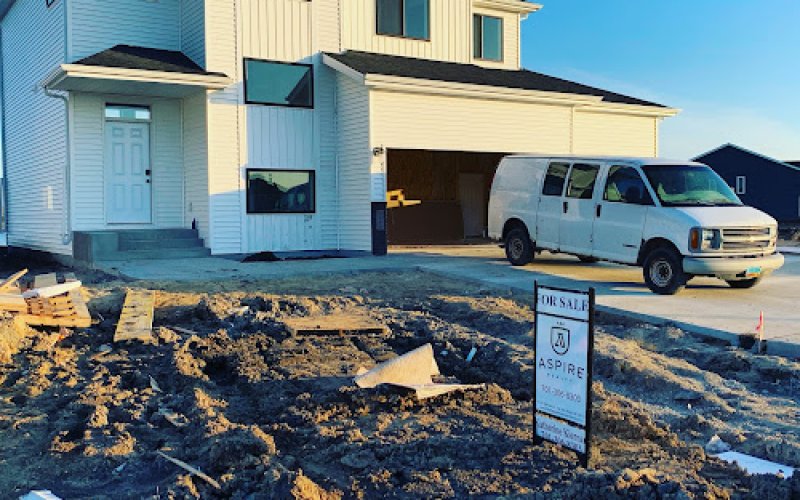
Aspire Realty
Real estate agency
James Patrick Real Estate
Real estate agency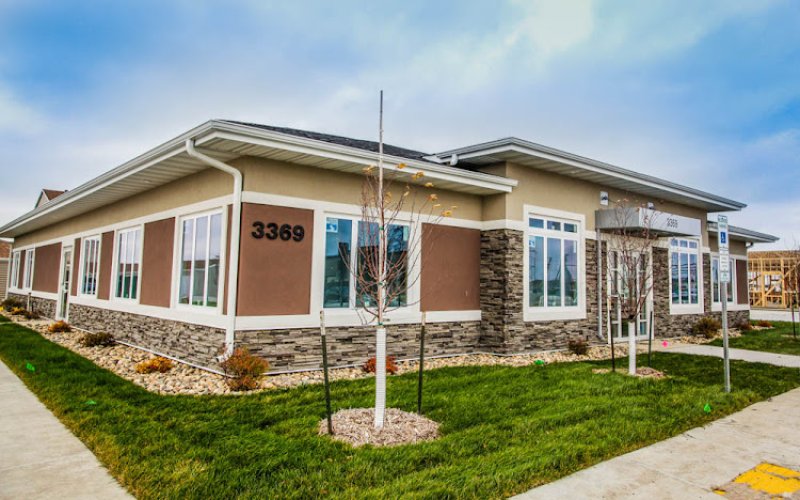
Brandenburg Crew Inc. of eXp Realty
Real estate agency
High Valley Real Estate
Real estate agency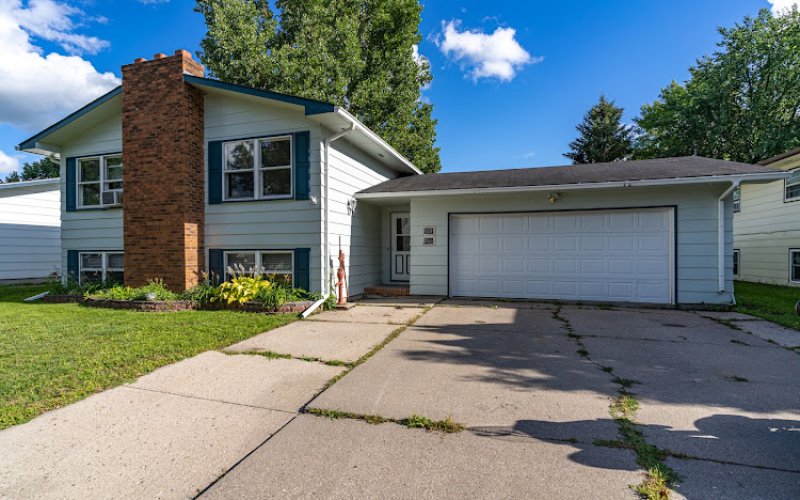
Up North Real Estate - Real Broker
Real estate agent
Wall Street Realty Team powered by eXp Realty
Real estate agent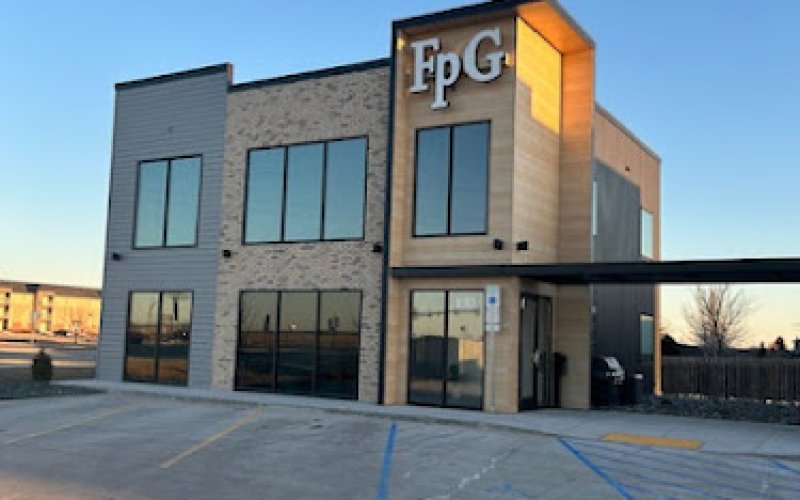
Flom Property Group of FpG Realty
Real estate agency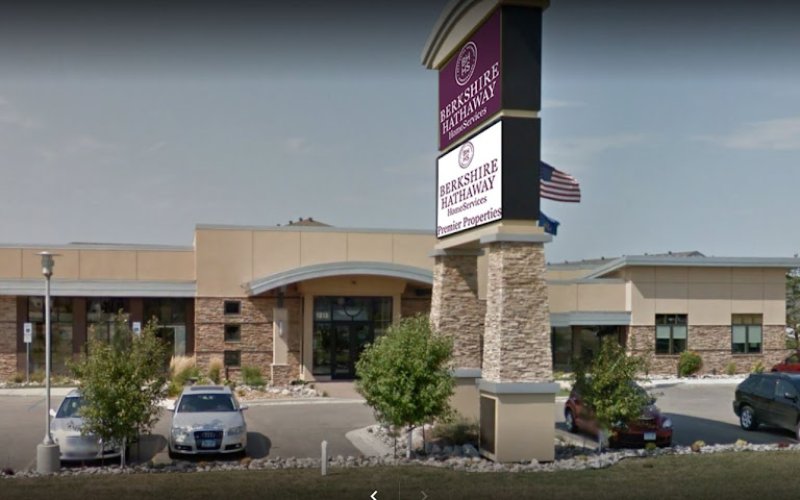
Berkshire Hathaway HomeServices Premier Properties
Real estate agency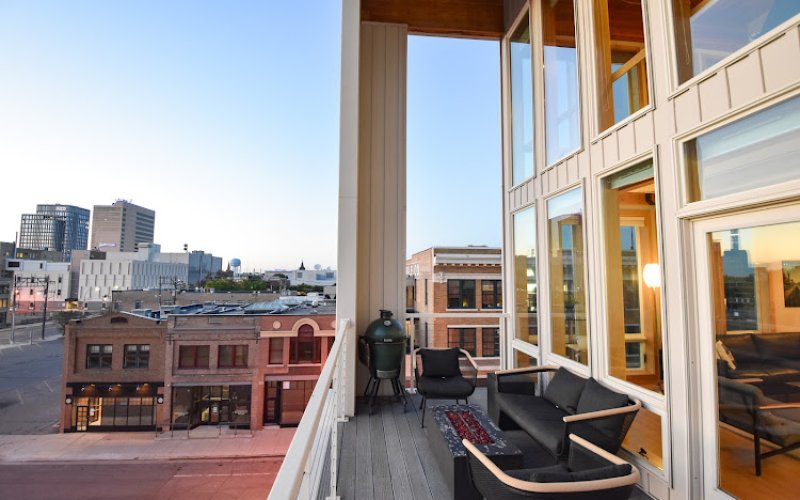
Oxford Realty | Real Estate Sales
Real estate agencyAbout Realtors in Fargo
Fargo's median home sale price hit $329,000 in late 2024—up roughly 31% from 2020's $251,000—and yet the market keeps absorbing buyers. That shouldn't work in a city of 130,000 people on the North Dakota plains. But it does, and understanding why tells you a lot about what you're walking into when you start calling local real estate offices.
The Fargo-Moorhead metro area has grown by about 1.8% annually over the last five years, consistently outpacing state averages and most comparable Midwest metros. New residents arriving for jobs at Sanford Health, NDSU, Microsoft's regional operations, and a surprisingly deep manufacturing base—Bobcat, Case New Holland—need houses. Fast. The Greater Fargo Moorhead Economic Development Corporation tracked over 4,200 new jobs added in 2023 alone, and those workers don't rent forever. That's the engine underneath everything.
There are roughly 900+ licensed real estate agents active in the metro area according to the North Dakota Real Estate Commission's roster, though the actual full-time professionals producing consistent volume number closer to 200-300. The typical buyer here is 28-42, dual-income household, often relocating from a smaller ND or MN town for career reasons. They know what they want and they're moving fast—average days on market for mid-range properties sat around 18-22 days through most of 2024. If you blink, you lose the house.
📍 South Fargo (52nd Ave South Corridor)
- Area Profile: Fargo's growth engine. Younger families, dual-income households, median household incomes around $75,000-$90,000. New construction everywhere.
- Realtors Activity: Highest transaction volume in the city. New builds, townhomes, and move-up buyers dominate. Competition is brutal—multiple offers within 48 hours is normal here.
- Price Range: $280,000–$480,000 for single-family. New construction regularly pushes $400K+.
- Local Note: The 52nd Ave commercial expansion keeps pulling buyers south. Every year the "edge of development" moves another mile. Agents who know which subdivisions have good flood zone ratings earn their commission here.
📍 Downtown / Historic Fargo
- Area Profile: Artists, young professionals, empty nesters coming back to the core. Income varies wildly—$40K renters next to $150K condo owners.
- Realtors Activity: Condo conversions, loft units, some historic single-family rehabs near the Broadway corridor. Lower volume but higher complexity deals.
- Price Range: $185,000–$550,000 depending on unit type. Historic homes require agents who understand what's been renovated vs. what's a liability.
- Local Note: The floodplain maps around the Red River matter enormously. An agent who can't talk flood insurance in their sleep is useless to you here.
📍 West Fargo (Sheyenne Street Area)
- Area Profile: Technically its own city now, West Fargo blew up into one of the fastest-growing municipalities in the entire Midwest. Families, first-timers, solid school district reputation.
- Realtors Activity: Entry-level to mid-range new construction. Agents specializing here often work with relocation packages from local employers.
- Price Range: $240,000–$390,000. Better square footage per dollar than South Fargo proper.
- Local Note: West Fargo's population grew over 40% in the last decade. Infrastructure is playing catch-up. Smart agents will flag which areas have assessments pending.
Look, the rate environment of 2023-2024 absolutely froze inventory. Sellers with 3% mortgages weren't moving. That's softening slightly now but the hangover lingers.
📊 Current Price Points:
- Entry-level: $185,000–$265,000 — older North Fargo stock, some West Fargo attached units. Getting thinner by the month.
- Mid-range: $265,000–$400,000 — the heart of the market, 60%+ of all transactions happen here. Moves fast.
- Premium: $400,000–$750,000+ — South Fargo new construction, custom builds near Osgood and Horace. Longer days on market, more negotiation room.
📈 Market Trends Heading into 2026:
- Active listings up roughly 12-15% from 2023 lows—finally some breathing room
- But demand remains ahead of supply; sellers still hold leverage in the $265K-$350K band
- New construction permits in Cass County running 1,800-2,100 annually—builders are trying to catch up
- Interest rate sensitivity is high here; even a 0.5% drop triggers noticeable buyer activity jumps
- Average close time: 30-45 days for financed purchases; cash deals closing in under 2 weeks
💰 What Buyers Are Actually Spending:
- Most common transaction: $290,000-$340,000 single-family, South or West Fargo
- Commission structure: standard 5-6% total, though the post-NAR settlement landscape is shifting this—ask specifically
- Typical closing costs: $4,500-$8,000 depending on lender and deal structure
- Inspection costs running $350-$500; worth every dollar in this market
Fargo doesn't have a single big employer—it has a dozen medium-sized ones, which actually creates more stability than a company town ever could. Sanford Health employs over 9,000 in the metro. NDSU adds faculty and staff constantly. The tech sector (Microsoft, a growing cluster of regional firms) keeps expanding. Unemployment hovers around 2.3-2.8%, which is basically full employment and means people have money and staying power.
Key economic markers:
- Fargo metro median household income: approximately $68,000—above state average
- No state income tax in North Dakota. Buyers from Minnesota notice this immediately.
- Major development: the Fargo Flood Diversion project—a $2.75 billion infrastructure project—is reshaping which areas carry flood risk and which don't. This directly affects property values and mortgage availability.
- Downtown hotel and mixed-use development keeps adding density to the core
The competition landscape among realtors here is real. The RE/MAX, Coldwell Banker, and Keller Williams franchises all operate, but a surprising number of the highest-volume agents in this market are with smaller regional brokerages or independent firms. Don't assume a national brand means the best local knowledge.
This is North Dakota. Winter is not a metaphor. The market has actual seasons in ways that surprise people from warmer states.
- ☀️ Spring (April–June): Peak inventory AND peak competition. Most listings hit in May. You'll see the best selection but also the most brutal bidding wars. Be pre-approved before you even start looking.
- 🍂 Fall (September–October): Hidden gem window. Sellers who didn't move in summer get motivated. Inventory still reasonable, buyer competition drops noticeably. I've seen better deals close in October than any other month.
- ❄️ Winter (November–March): Low inventory, but the buyers out there are serious—and so are the sellers. Fewer multiple-offer situations. Prices don't crater but you have more negotiation room. Moving in January in Fargo is its own challenge, though.
- 📅 Peak urgency months: May and June. Don't start casually browsing in April unless you're ready to move.
Smart timing moves:
- ✓ Get fully pre-approved (not just pre-qualified) before April 1st if you want spring inventory
- ✓ Watch for price reductions in August—sellers who missed the spring rush get realistic
- ✓ If you're relocating for a job starting in August, start your agent search in February. Seriously.
- ✓ Tax refund season (February–March) brings first-time buyers into the market—competition picks up earlier than people expect
The North Dakota Real Estate Commission (NDREC) licenses all agents and brokers in the state. Their online lookup at realestatend.org lets you verify license status, check for disciplinary actions, and confirm broker affiliation. Use it. It takes 90 seconds and tells you things a polished website won't.
Credentials worth actually caring about:
- Active ND real estate license (verify current status, not just claimed)
- NAR membership → access to MLS, code of ethics requirements
- CRS (Certified Residential Specialist) or ABR (Accredited Buyer's Representative) designations signal serious ongoing education
- Local FMAAR (Fargo-Moorhead Area Association of Realtors) membership
⚠️ Red Flags Specific to This Market:
- Pressure to waive inspection. In a hot market, some agents suggest skipping inspection to win bids. An agent pushing this hard—without clearly explaining your risk—is not working for you.
- No familiarity with the Diversion project's impact. If an agent can't explain how the FM Diversion changes flood zone maps and what that means for specific neighborhoods, they haven't done their homework.
- Vague buyer's agreement terms. Post-NAR settlement rules require written buyer agreements. Any agent dodging specifics on their compensation structure is a problem.
- Out-of-market agents showing up during hot periods. Fargo draws agents licensed in ND but based in Bismarck or the Twin Cities trying to catch deals. They don't know which subdivisions flood, which streets have HOA issues, or which builders have reputations. Ask specifically how many Fargo transactions they've closed in the last 12 months.
Complaint check resources: NDREC for formal complaints, BBB of Minnesota and the Dakotas, and Google reviews—look specifically for how agents respond to negative reviews, not just the star count.
✓ Established Fargo presence—ideally 5+ years of consistent local production
✓ Verifiable closed transactions (ask for addresses, look them up)
✓ Clear, written explanation of their compensation before you tour a single house
✓ Someone who tells you when a deal is bad, not just when to buy
✓ Returns calls same day. Non-negotiable in a market this fast.
Can't explain the buyer's representation agreement clearly—walk away
Pushes you toward their preferred lender with no explanation of why it benefits you
Hasn't personally been inside your target neighborhoods recently
Dismisses your concerns about flood zones, assessments, or older construction issues as "not a big deal"—because in Fargo, they absolutely can be
Cost Calculator
Check Reviews & Ratings
We recommend verifying businesses through trusted review platforms before making a decision.
Frequently Asked Questions
Popular Categories in Fargo
Explore Other Cities
Professional Categories in Fargo, ND
Related Services from Similar Professionals