Trusted, Top-Rated Realtors in New York, NY
Looking for a place to call home in the city that never sleeps? Browse our directory of top New York realtors who know every neighborhood inside and out, from Brooklyn brownstones to Manhattan high-rises.
Map of Businesses in New York
All Listings in New York
10 businesses
Amo Realty - New York
Real estate agency
Digs Realty Group
Real estate agency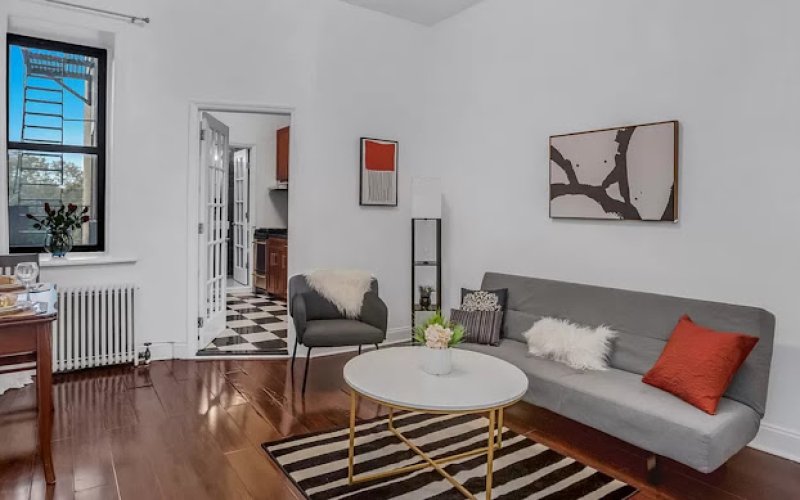

REAL ESTATE Agents near Midtown Manhattan, Queens NY
Real estate agency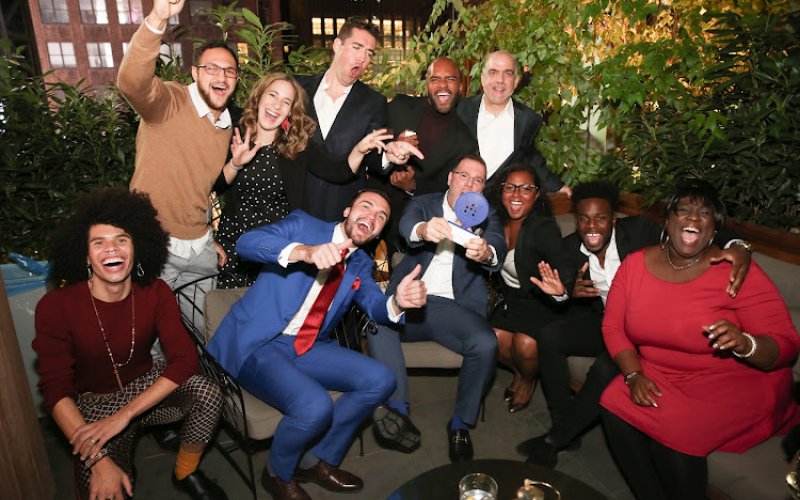
The Bizzarro Agency, New York Real Estate Agents
Real estate agency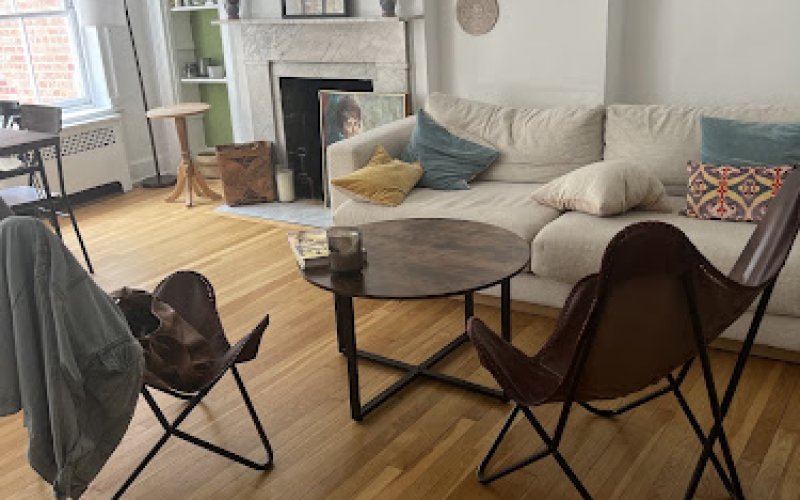
Batra Real Estate
Real estate agency
Manhattan Realty Group
Real estate agency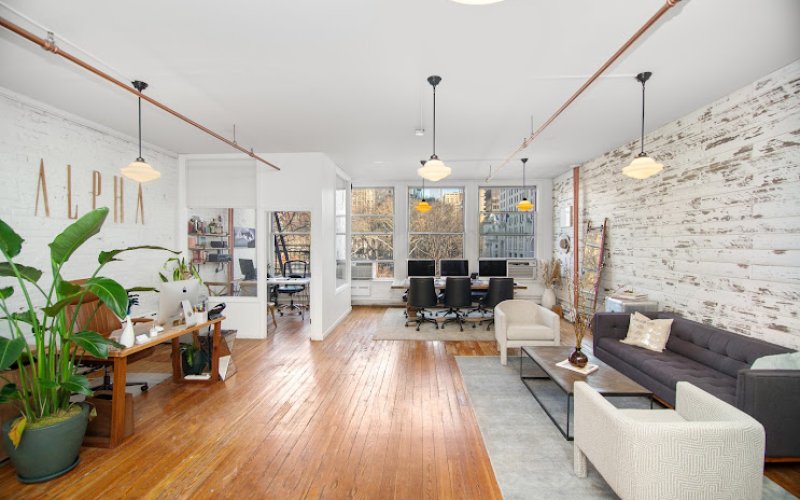
Alpha Properties NYC
Real estate agency
REAL New York
Real estate agency
Keller Williams NYC
Real estate agencyAbout Realtors in New York
Here's a number that stopped me mid-coffee last week: the median sale price for a Manhattan apartment hit $1.15 million in Q3, per data from the Real Estate Board of New York — and yet inventory sitting on the market dropped 8% year-over-year. Less stuff for sale, prices still climbing. That's not supposed to happen when interest rates are where they are. But this is New York, and New York doesn't really follow the national script.
There are roughly 27,000 licensed real estate agents actively working the five boroughs right now, though "actively" is doing a lot of work in that sentence — plenty hold licenses and do maybe two deals a year on the side. The real engine is a smaller core of maybe 4,000-5,000 agents who close 10+ transactions annually and actually move the market. Demand right now comes from three directions: institutional money still parking cash in NYC real estate as a hedge, a wave of remote-adjacent professionals who left in 2020-2021 and are trickling back for hybrid schedules, and — this one surprises people — international buyers who never really stopped despite what headlines suggested. Foreign buyer activity in Manhattan condos is back to about 70% of pre-2020 levels.
What makes this market genuinely different from, say, Chicago or Austin is the co-op board system. You can have cash in hand and still get rejected by a building's board for reasons they don't have to explain. I've watched deals die because a board didn't like a buyer's employment gap from three years ago. No other major U.S. market operates like this, and it means realtors here need a different skill set entirely — half negotiator, half psychologist, half (yes, I know that's three halves, deal with it) bureaucratic translator.
Park Slope, Brooklyn
- Area Profile: Family-heavy, median household income around $145,000, lots of former Manhattanites who "made the move" post-2018.
- Realtors Activity: Brownstone sales dominate — multi-family conversions especially. Agents here need serious knowledge of landmark preservation rules.
- Price Range: $1.8M-$4.5M for brownstones; condos run $900K-$1.6M.
- Local Note: School zoning (P.S. 321 catchment specifically) can swing a sale price by six figures. Locals know this. Newcomers find out the hard way.
Long Island City, Queens
- Area Profile: Younger buyers, 28-40 range mostly, tech and finance commuters who wanted Manhattan views without Manhattan taxes.
- Realtors Activity: New construction condos, heavy on amenities — think buildings with co-working lounges and rooftop everything.
- Price Range: $650K-$1.3M for one and two bedrooms.
- Local Note: Still riding the 2017-era development boom. But — and agents here will tell you this quietly — some buildings are now competing so hard on amenities that HOA fees are eating into resale appeal.
Upper West Side, Manhattan
- Area Profile: Old money meets old-timers meets a slow trickle of younger families priced out of downtown.
- Realtors Activity: Pre-war co-ops, and lots of them. This is ground zero for board approval complexity.
- Price Range: $1.2M-$6M+ depending on avenue and floor.
- Local Note: Agents who don't understand co-op board financial requirements (2x maintenance in liquid assets, sometimes more) waste everyone's time here.
📊 Current Price Points:
- Budget options: $450K-$650K (studio/one-bedroom, outer boroughs, further from transit)
- Mid-range: $800K-$1.5M (most popular segment — two-bedrooms in Brooklyn/Queens or smaller Manhattan units)
- Premium: $2.5M+ (Manhattan townhouses, penthouse condos, Billionaires' Row units)
📈 Market Trends: Demand is up roughly 6% from last year despite mortgage rates hovering near 6.8%. Inventory is down 8%, which — look, basic economics tells you what that does to pricing pressure. Average days on market for Manhattan sits at 78, down from 94 a year ago. Brooklyn's even tighter at 61 days. Closing timelines average 45-60 days for financed deals, though co-op closings can drag to 90+ if board packages get messy (and they often do). Seasonally, spring is still king — March through June sees 40% more listings hit the market than December through February. But here's the thing agents don't advertise: winter buyers get better negotiating leverage because sellers listing in January are usually motivated (relocation, divorce, financial pressure). 💰 What People Are Spending:
- First-time condo buyers: average $780K, mostly financed with 20% down
- Investment property buyers: average $625K per unit, often all-cash
- Luxury upgraders: average $2.1M, frequently 1031 exchange buyers
- Renters-to-owners: average $540K, heavy reliance on down payment assistance programs
NYC's population grew 0.4% last year after several years of decline — modest, but it's a reversal, and reversals matter psychologically to a market. Finance, tech, and healthcare remain the dominant employers, with healthcare actually overtaking finance in raw job numbers for the first time in city history. Median household income sits at $76,600, compared to the state average of $81,400 — yes, the city is technically below the state average, which surprises people who assume Manhattan skews everything upward (it does, but the outer boroughs pull it back down hard). New development to watch: the continued build-out around Hudson Yards' western edge, plus the SoFi-anchored redevelopment near Willets Point in Queens. Both are already shifting agent attention and client interest toward previously overlooked pockets. Local Market Dynamics: Competition among the roughly 400 active brokerages citywide is fierce, but a handful — Corcoran, Compass, Douglas Elliman — still control an outsized share of luxury listings. Independent boutique agencies are gaining ground in Brooklyn and Queens though, mostly because they move faster on pricing decisions than the big firms' committee-style approach. How This Affects Buyers/Customers: Practically? If you're working with a big-name brokerage on a $700K Queens condo, you might get less individual attention than a boutique agent would give you. I've seen this play out dozens of times — smaller firms hustle harder for mid-range deals because that's their bread and butter, not an afterthought.
- ☀️ Spring/Summer: Peak demand, most inventory, most competition. Bidding wars common under $1M.
- 🍂 Fall: Second wave of listings hits in September. Serious buyers only — less tire-kicking.
- ❄️ Winter: Slower, but sellers here are motivated. Best window for negotiating below ask.
- 📅 Peak months: April-June for selection, January-February for leverage.
Tax season (Feb-April) brings a surge of investment buyers looking to place capital before filing deadlines. Expect the full process — search to close — to run 3-5 months for a standard condo, longer for co-ops. Smart Timing Tips:
- ✓ List or buy in January if you want negotiating power
- ✓ Start co-op board paperwork immediately — don't wait until after an accepted offer
- ✓ Avoid closing in December; building management offices slow way down for holidays
- ✓ Get pre-approved before spring inventory hits, not after
Every agent must hold an active license through the New York Department of State (Division of Licensing Services) — you can and should verify this online, it takes two minutes. REBNY membership signals someone plugged into the broader market, not just a solo operator. Look for reviews on Google and StreetEasy specifically; StreetEasy's agent review section tends to be more honest than generic platforms because past clients there are verified transaction participants. Questions to Ask: How many closings in your specific neighborhood in the last 12 months? Can I talk to two past clients directly? What's your commission structure and is any of it negotiable? ⚠️ Red Flags Specific to New York Realtors:
- Agents pushing you toward buildings where they get "extra incentives" from developers — ask directly if this applies
- Pressure to waive mortgage contingencies in a bidding war (common, and genuinely risky)
- Vague answers about co-op board financial requirements — a real pro knows these cold
- Refusal to put fee arrangements in writing before you sign anything
New York Department of State licensing lookup, the Better Business Bureau's NYC chapter, and — honestly — the pattern in Google reviews matters more than the star average. One-star reviews mentioning "disappeared after closing" repeatedly is a real signal.
✓ Established presence in New York (not just passing through)
✓ Verifiable local reviews and references
✓ Transparent pricing, no hidden fees
✓ Clear process explained upfront
✓ Responsive communication
Check Reviews & Ratings
We recommend verifying businesses through trusted review platforms before making a decision.
Frequently Asked Questions
Popular Categories in New York
Explore Other Cities
🏡 Realtors near New York
Professional Categories in New York, NY
Related Services from Similar Professionals