Philadelphia's Go-To Realtors for Buying and Selling
Hey there! Welcome to our Philadelphia realtors directory – whether you're looking to buy your first rowhome in Fishtown or sell that Center City condo, we've got the local agents who know this city inside and out.
Map of Businesses in Philadelphia
All Listings in Philadelphia
14 businesses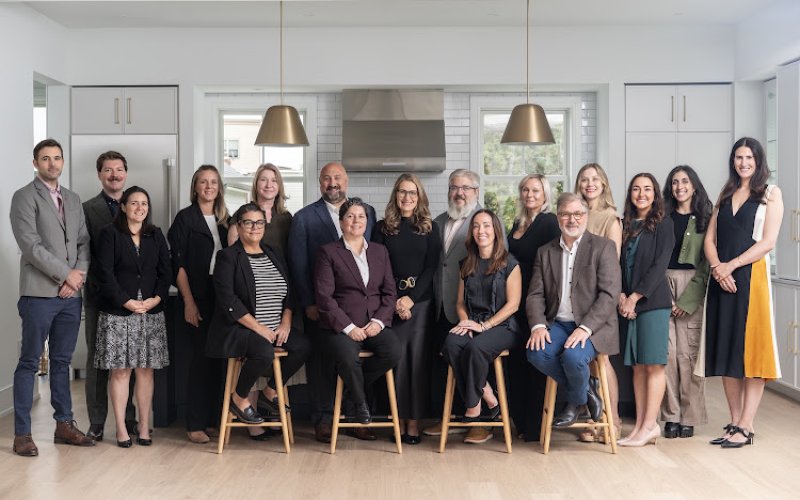
Karrie Gavin - Philadelphia Real Estate Agent
Real estate agency
Philadelphia Home Collective | Philadelphia Real Estate Agents
Real estate agent
The Eric Fox Team - Compass Greater Philadelphia
Real estate agency
Venture Philly Group | Real Estate Agency
Real estate agency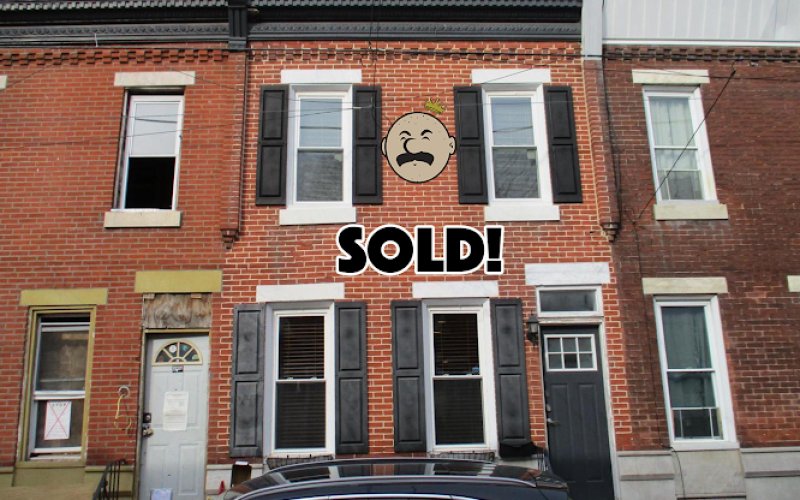
Vinny Fracassi, Keller Williams Empower
Real estate agency
Brett Rosenthal - Greater Philadelphia Realtor | Compass
Real estate agency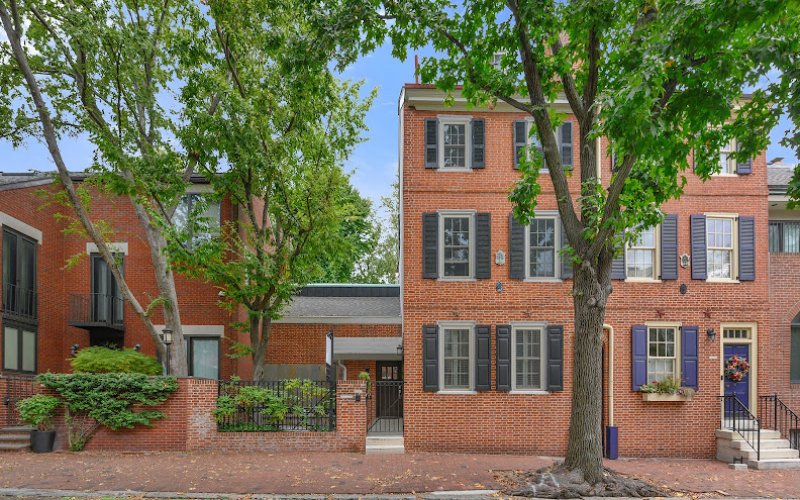
City Block Team @ COMPASS RE
Real estate agency
Perfect Place Real Estate
Real estate agency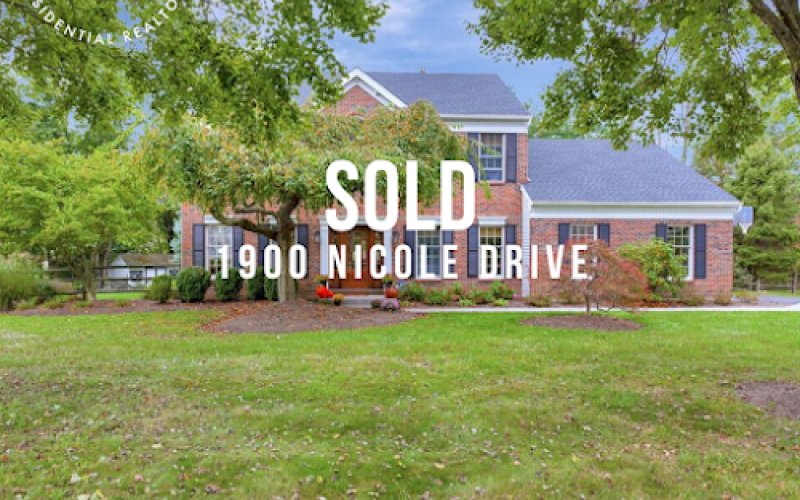
Rosenthal Group
Real estate agency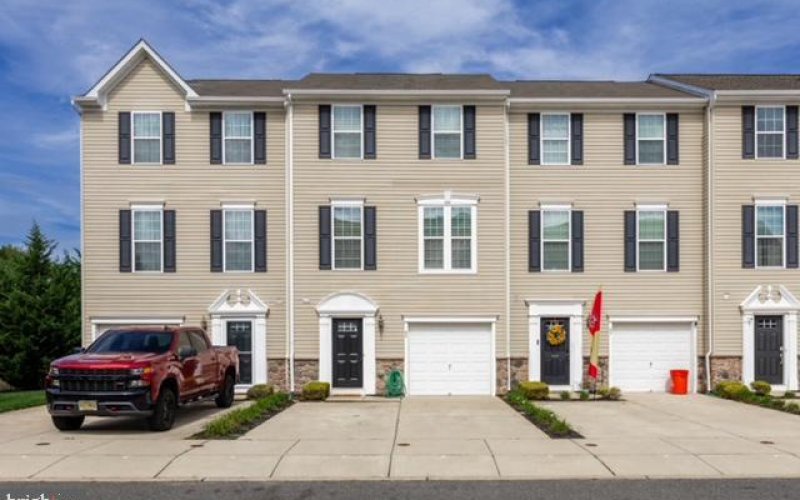
The Rarity Real Estate Team
Real estate agency
Elfant Wissahickon Realtors : Chestnut Hill
Real estate agency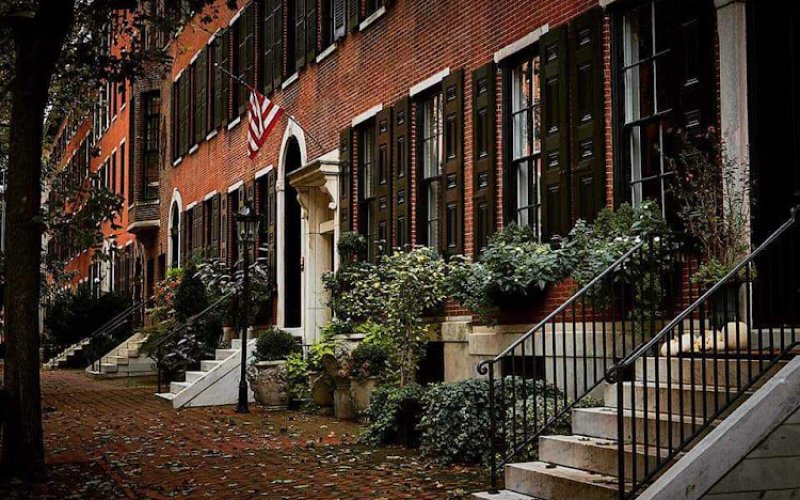
Maria Quattrone - LPT Realty
Real estate agency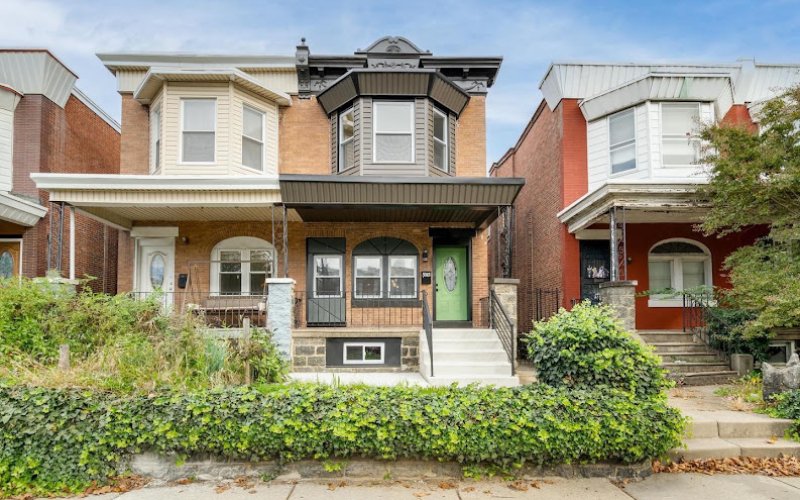
The Mike McCann Team
Real estate agency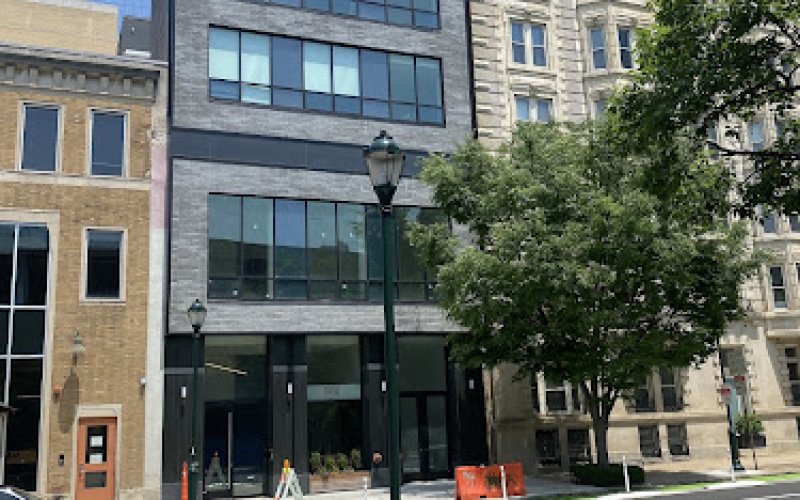
Maxwell Realty Company, Inc. | Rittenhouse Square Philadelphia Realtor
Real estate agencyAbout Realtors in Philadelphia
Philadelphia's real estate market processed 14,847 residential transactions in 2024—but here's what caught my attention: 68% of buyers used agents they found through personal referrals, not online searches. That's significantly higher than the national average of 51%. The city's realtor landscape is shifting fast. We've got 3,200+ licensed agents working across five counties, but the distribution isn't even. Center City and Northern Liberties? Saturated with boutique brokerages specializing in $400K+ condos. Meanwhile, neighborhoods like Kensington and Frankford—where median home prices jumped 31% to $185K last year—are seeing agent shortages. What's driving this demand surge? Simple math. Philadelphia gained 15,400 new residents in 2024, mostly millennials priced out of NYC and DC. Add in 2,100 new construction permits issued citywide, plus the ongoing Navy Yard expansion bringing 8,000+ jobs, and you've got a recipe for sustained realtor demand. But here's the thing—this isn't your typical market. Philly buyers want agents who understand rowhouse quirks, know which blocks are gentrifying next, and can navigate the city's notoriously complex transfer tax system. Generic suburban experience? Doesn't cut it here.
Fishtown/Northern Liberties
- Area Profile: Mix of converted warehouses, new construction condos, and 1920s rowhouses along Frankford Avenue corridor
- Common Realtors Work: First-time buyer guidance, condo searches, investment property analysis for rental units
- Price Range: $275K-$525K for condos, $320K-$480K for renovated rowhomes
- Local Note: Parking is nightmare—agents need to know which buildings include spots vs. street-only options
Graduate Hospital/Point Breeze
- Area Profile: Victorian rowhomes, many gut-renovated, tree-lined streets south of South Street
- Common Realtors Work: Move-up buyers, family home searches, new construction sales
- Price Range: $385K-$650K for renovated properties, $750K+ for new construction
- Local Note: Buyers obsess over which side of Broad Street—east side commands 15-20% premium
East Passyunk
- Area Profile: Traditional South Philly rowhomes, many owner-occupied for decades, strong Italian-American community
- Common Realtors Work: Estate sales, multigenerational transfers, first-time buyer education
- Price Range: $195K-$385K for traditional homes, $420K+ for renovated properties
- Local Note: Many properties never hit MLS—agents with local connections get pocket listings
📊 **Current Market Reality:** Commission structures are under pressure. Traditional 6% splits are dropping to 5.5% or even 5% for competitive listings. But here's what's interesting—agents focusing on neighborhoods under $300K are actually seeing commission increases because inventory is so tight.
- New agent licenses: Up 12% in 2024 vs 2023
- Average days on market: 28 days (down from 35 in 2023)
- Cash offers: 31% of all transactions (mostly investors)
- Multiple offer situations: 45% of properties under $350K
📈 **Service Demand Shifts:** Buyers want more than showing properties. They're paying for neighborhood expertise, school research, and renovation cost estimates. Smart agents are partnering with contractors for pre-purchase assessments.
- First-time buyer services: 38% of all transactions, average price $285K
- Investment property guidance: 22% of sales, concentrated in Kensington/Frankford areas
- Luxury market (>$750K): 8% of volume but 23% of total commission dollars
- Relocation services: Growing 15% annually as companies recruit from NYC/DC
💰 **What's Really Happening:** Wait times to get quality agents? Three weeks minimum for established professionals. New agents are available immediately but lack the neighborhood knowledge that makes or breaks deals here. Seasonal patterns show spring market starting earlier—February now instead of March—because inventory stays low year-round.
Look, Philadelphia's growth story is more complex than the cheerleaders admit. Yes, we added 15,400 residents in 2024. But we also lost 12,800 to suburbs and other cities. Net gain: 2,600 people. That's still positive, but it's not the boom some claim. **Economic Indicators:** The University City life sciences corridor is legit—11,000+ new jobs since 2022. Comcast's headquarters expansion added 3,400 positions. Amazon's fulfillment centers brought 2,800 warehouse jobs. But here's the thing: median household income is $54,300, barely up 2.1% from last year when you adjust for inflation. **Housing Market Reality:**
- Median home value: $247,800 (up 8.3% year-over-year)
- New construction permits: 2,847 in 2024 vs 2,100 in 2023
- Inventory: 2.1 months supply (still seller's market territory)
- Price per square foot: $156 average, $220+ in desirable neighborhoods
**How This Affects Realtors:** More buyers than inventory means agents spend less time marketing, more time managing multiple offers. The challenge? Buyers get frustrated losing bidding wars, so agent retention depends on setting realistic expectations upfront. Plus, with 40% of sales happening in cash, traditional financing expertise matters less than understanding investor strategies and renovation costs.
**Weather Reality Check:**
- ☀️ Summer: 75-85°F typical, humid as hell June through August
- ❄️ Winter: 25-45°F, snow averages 22 inches but varies wildly year to year
- 🌧️ Annual rainfall: 41.5 inches, concentrated spring/early summer
- 💨 Wind/storms: Nor'easters 2-3x per winter, occasional severe thunderstorms
**Impact on Realtors:** Spring market kicks off earlier now—February showings are common because buyers know inventory disappears fast. Summer? That's when families with kids do most shopping before school starts. But August gets slow because it's miserable walking through non-AC rowhomes. Winter creates interesting dynamics. Snow doesn't stop serious buyers, but it does reveal property issues—ice dams on roofs, sidewalk conditions, heating adequacy. Smart agents use winter showings as selling points ("see how cozy this feels even in January"). **Seasonal Patterns:** March through June: 52% of annual sales volume. July-August: Family buyers dominant. September-October: Investors and empty nesters. November-February: Serious buyers only, best negotiating leverage. ✓ **Homeowner Tips:** ✓ Schedule showings after 10am in winter—morning frost makes properties look worse ✓ Address any basement moisture issues before listing—buyers are paranoid about flooding ✓ Keep sidewalks clear—city fines affect home inspections ✓ Consider staging with seasonal touches—Philly buyers appreciate neighborhood pride signals
**License Verification:** Pennsylvania Real Estate Commission handles all licensing through their online portal. Every agent needs an active real estate salesperson or broker license. You can search by name or license number at dos.pa.gov—takes 30 seconds and shows any disciplinary actions. **Insurance Requirements:** Most agents carry errors and omissions insurance through their brokerage, but ask specifically. Independent agents should have $1 million minimum coverage. If they're showing vacant properties or coordinating contractors, general liability matters too. ⚠️ **Red Flags in Philadelphia:**
- Agents pushing specific mortgage lenders aggressively—kickback schemes are common
- Promises about property values in "up and coming" areas without comparable sales data
- Pressure to waive inspections on properties built before 1978 (lead paint disclosure issues)
- Agents unfamiliar with Philadelphia's transfer tax (3.278% total—city and state combined)
**Where to Check Complaints:** Pennsylvania Real Estate Commission handles licensing violations. Better Business Bureau tracks complaint patterns. Philadelphia Department of Licenses and Inspections has records if agents have been involved in permit violations or code issues. But honestly? Best verification is talking to recent clients in your target neighborhood. Facebook neighborhood groups are goldmines for real agent experiences—both positive and horror stories.
✓ Minimum 3 years specifically in Philadelphia market (not suburbs)
✓ Recent sales within 6 blocks of your target area
✓ References from buyers who purchased similar property types
✓ Knowledge of specific school catchments and boundary changes
✓ Relationships with local inspectors, contractors, mortgage brokers
Check Reviews & Ratings
We recommend verifying businesses through trusted review platforms before making a decision.
Frequently Asked Questions
Popular Categories in Philadelphia
Explore Other Cities
🏡 Realtors near Philadelphia
Professional Categories in Philadelphia, PA
Related Services from Similar Professionals